Office Rodent Control
Office Rodent Control
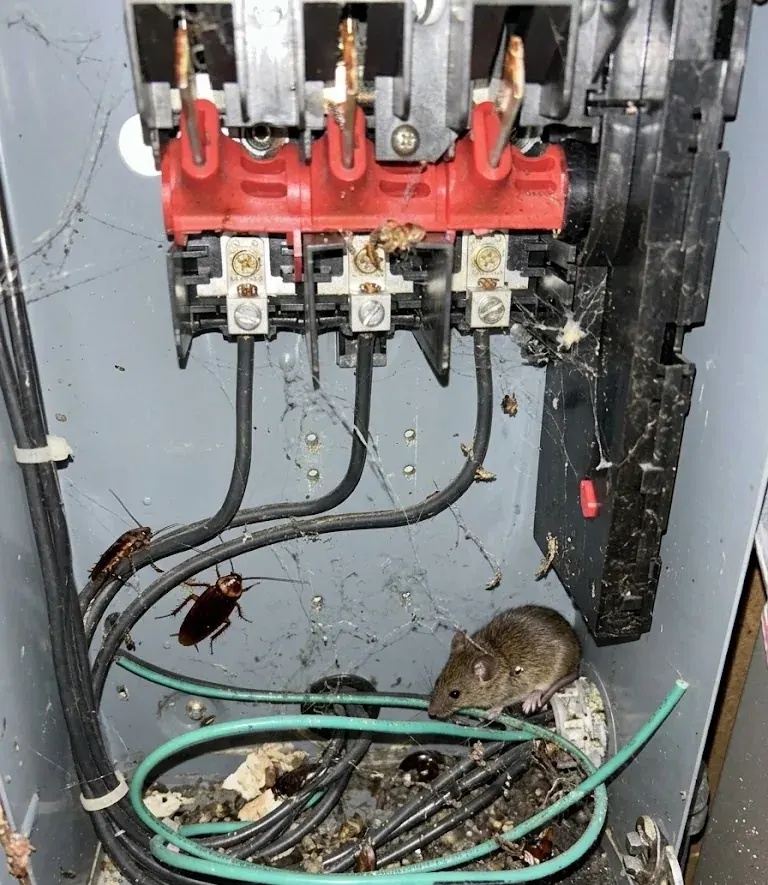
Coordinate warehouse rodent control around loading windows, inventory handling, and access to each storage zone.
Warehouses can check loading doors, staging lanes, storage edges, and perimeter areas for rodent signs, then log each finding by building and zone. Protect suspect inventory under site procedures and arrange inspection access around dock activity and shutdown windows.
In Kenosha, start by noting when activity appears, then compare those reports with receiving hours, storage use, and the condition of nearby goods. A rodent inspection can follow the warehouse’s working pattern: where deliveries pause, which routes stay busy, and when quieter areas can be reached. Local references such as Interstate 94 can help staff identify a facility in conversation, but the site address and its own dock schedule are what the pros we connect you with need to plan a useful visit.
Warehouse mice may leave signs close to stored goods even when outer packaging seems sound. In Kenosha, record the aisle or dock, the time, and what you actually observed; keep any potentially affected product identifiable while your team follows its handling procedures. Where food or other sensitive inventory is involved, use the site’s established rules for inspection and disposition. This gives staff and the pros we connect you with a clear account of the concern without treating an unconfirmed sign as proof that an entire shipment is affected.
Rodents in storage facilities can be reported in places with very different work rhythms, from an active loading bay to a seldom-used stock area. In Kenosha, tell the pros we connect you with when each zone is occupied and when it can be accessed safely. Reference points like Prairie Springs Park may help distinguish the general area during a call, but precise facility and zone details guide the visit. That distinction helps fit inspection work around real operating windows instead of interrupting every department at once.
A warehouse inspection can begin at the loading area, where open doors and moving freight make activity harder to track, then continue through staging and storage zones. In Kenosha, note which doors are used for deliveries and whether reports cluster around a particular shift or work period. The pros we connect you with can compare those observations with signs along accessible interior edges and the building perimeter. Small gaps may provide a route inside, so identifying where evidence appears helps focus the inspection without assuming its source.
Ask staff in Kenosha to keep sightings separate from conclusions: note the time, exact location, visible evidence, and any change to nearby stock or wrapping. A simple shared log lets another shift add information without relying on memory or hallway updates. Include whether a door was open, a lane was busy, or the area could not be reached. These details help the pros we connect you with distinguish a recurring location from a one-time report and plan follow-up during a workable service window.
| Site area | What you observed | Inspection scope |
|---|---|---|
| Site location | Street address; nearby map cue if useful | Helps the pros we connect you with find the correct building |
| Shift schedule | Busy periods, quiet hours, planned shutdowns | Shows when checks can happen with less disruption |
| Dock pattern | Receiving windows and times doors remain open | Helps time observations around active loading |
| Recent evidence | Date, location, and kind of sign observed | Helps focus checks on reported activity |
| Inventory status | Product area and any internal review or hold | Supports the facility's handling decisions |
| Storage access | Aisles, pallet movement, and blocked floor edges | Shows where stored loads may limit inspection |
| Restricted areas | Escort needs and entry approval steps | Lets staff arrange access before the visit |
| Visit record | Findings, assigned follow-up, and target review window | Carries decisions forward between scheduled checks |
Inspection timing depends partly on whether stock, equipment, or active work blocks the areas that need attention. In a Kenosha warehouse, mark aisles where wall edges are hidden and identify any safe interval when pallets or equipment can be moved by your staff. The pros we connect you with can then plan access with the person responsible for that zone. Do not assume a visit requires moving inventory; clarify what can be reached as arranged and which areas need a separate window.
Share the warehouse’s operating calendar before choosing a service time in Kenosha. Receiving peaks, shift changes, inventory counts, and planned shutdowns may each create a different opportunity for inspection, depending on what the facility needs checked. A short window between shifts might allow a quiet aisle review, while dock work may require coordination with a supervisor. The pros we connect you with can discuss timing against those constraints so access, safety procedures, and business activity are understood before the visit is scheduled.
If the Kenosha facility handles food or sensitive products, explain its access, sanitation, and damaged-package procedures before the inspection is arranged. Identify who can approve entry and who should be present if goods need review. Staff should keep following their established handling rules while the concern is assessed. Clear coordination matters because a provider’s inspection cannot replace your internal decisions about product safety or disposition. Agreeing on the right contact and service window also avoids asking a shift team to make decisions outside its role.
Monitoring is most useful when the warehouse team knows which locations will be checked and how access will work during ordinary operations. In Kenosha, ask the pros we connect you with to explain how planned check points relate to reported activity and how staff can avoid blocking aisles or work routes. Devices require suitable placement and periodic attention under the service plan. A scheduled visit may need to fall during a quieter operating period if staff must provide access or escort the provider through controlled areas.
Keep service records tied to the Kenosha facility, visit date, zone, and current access limits. Record what was observed, what changed since the prior check, and whether a follow-up needs a particular operating window. This gives a manager on another shift enough context to arrange entry and pass along relevant inventory concerns. If the pros we connect you with leave service notes, keep them with the site’s own records so staff can compare observations over time and coordinate the next visit without reconstructing the history.
When a report involves inventory, identify the nearby storage area and follow the warehouse’s process for evaluating the affected goods. In Kenosha, keep products distinguishable while the responsible staff review packaging condition and handling requirements; avoid moving items in a way that loses track of their original location. If cleanup is needed around droppings or other contamination, avoid stirring up dust and follow applicable workplace procedures. The inspection can help locate activity, while your own product and sanitation processes govern what happens to stock.
At shift change in a Kenosha warehouse, pass along the details that affect the next person’s work: the reported zone, access limits, any inventory review underway, and the next planned service window. A brief handoff can prevent one team from reopening a restricted area or missing a scheduled inspection. Include the name or role of the person who can coordinate entry. The pros we connect you with can work more efficiently when the arriving contact knows what staff observed and what the facility has already arranged.
If your operation includes more than one address, keep each Kenosha site’s schedule and findings attached to that facility. A company may coordinate visits across Kenosha and Pleasant Prairie, for example, while each location has different dock hours, access contacts, and storage routines. Treat those as separate planning details rather than assuming one visit window works everywhere. The pros we connect you with can use the site-specific information to discuss coordination, while your records preserve which observations belong to which building.
Before requesting a site assessment in Kenosha, gather recent sighting notes, affected inventory zones, dock schedules, and access restrictions. Add a facility map if available, plus the contact who can authorize entry and explain the warehouse’s operating rules. Photographs of damaged packaging can preserve visible clues if affected items must be moved before the assessment. This preparation lets the pros we connect you with consider where to inspect and when the work can fit around receiving, storage, and shift activity.
A rodent inspection for a Kenosha warehouse can vary with the floor area, stock density, and how much of the building is available during the visit. Dock activity, restricted inventory, and shutdown windows may affect the time needed to reach each zone. Ask the pros we connect you with what areas the assessment covers and how any return checks fit the operating schedule. A site map, recent observations, and access rules can help define the work before a visit is arranged.
Review the linked communities to see where residential rodent inspection and control can be discussed across Kenosha, then check whether your address falls within the area, includingSturtevant, Kenosha and Pleasant Prairie. Ask whether travel is part of the service charge and what additional visits, if needed, would add to the total.
A warehouse estimate may be organized by service visit, with the covered floor area and planned visit pattern setting part of the cost. $80–$175 is a reference. Dense storage, access to loading and utility areas, inspection findings, and the control steps included can add work to the service plan.For a commercial property, continued monitoring can add return visits and device checks, increasing the work included in the quote. When you call, describe the signs you have found, ask whether inspection has a separate charge, and request the planned treatment and follow-up work in writing.Review the full set of rodent-control bands through pricing guide; commercial overview shows how scheduled commercial service is arranged.
Office Rodent Control
Kenosha Restaurant Service
Apartment Rodent Control
Start with receiving doors and the floor edges beside loading bays, then follow interior routes toward staging and storage. In Kenosha, check for droppings, gnawing, or disturbed material at those transitions, as well as along perimeter walls and behind stock where visible. Note the exact aisle or dock and when the sign was found. The pattern can help an inspection focus on active areas without treating the whole inventory as affected.
Keep a dated log for each Kenosha facility, using its own map labels so a dock or aisle is not confused with the same label elsewhere. Record what was observed, where it appeared, which areas were accessible, and the result of each monitoring check. A central summary can compare patterns across locations, while the underlying notes stay attached to the correct building and its operating conditions.
Share receiving hours, shift changes, and planned shutdown periods before setting a visit. In Kenosha, identify when docks are clear enough to inspect and which areas need an escort or can only be entered during a specific window. Agree on a staff contact and a way to handle delays if operations change. This lets the visit work around active loading without losing access to important zones.
If you find signs on or beside stored goods, mark the affected rack, pallet, or product group and notify the person responsible for handling it. Follow your facility’s review and separation procedures, especially where food or sensitive stock is involved. Keep the location and decision in the site record so receiving and inventory staff can act consistently while the inspection is arranged.
Prepare a site map, recent observations, inventory zones, dock hours, and access limits before arranging a Kenosha warehouse assessment.
Call (262) 665-0359