Where Copper Mesh Fits in Kenosha Rodent Repairs
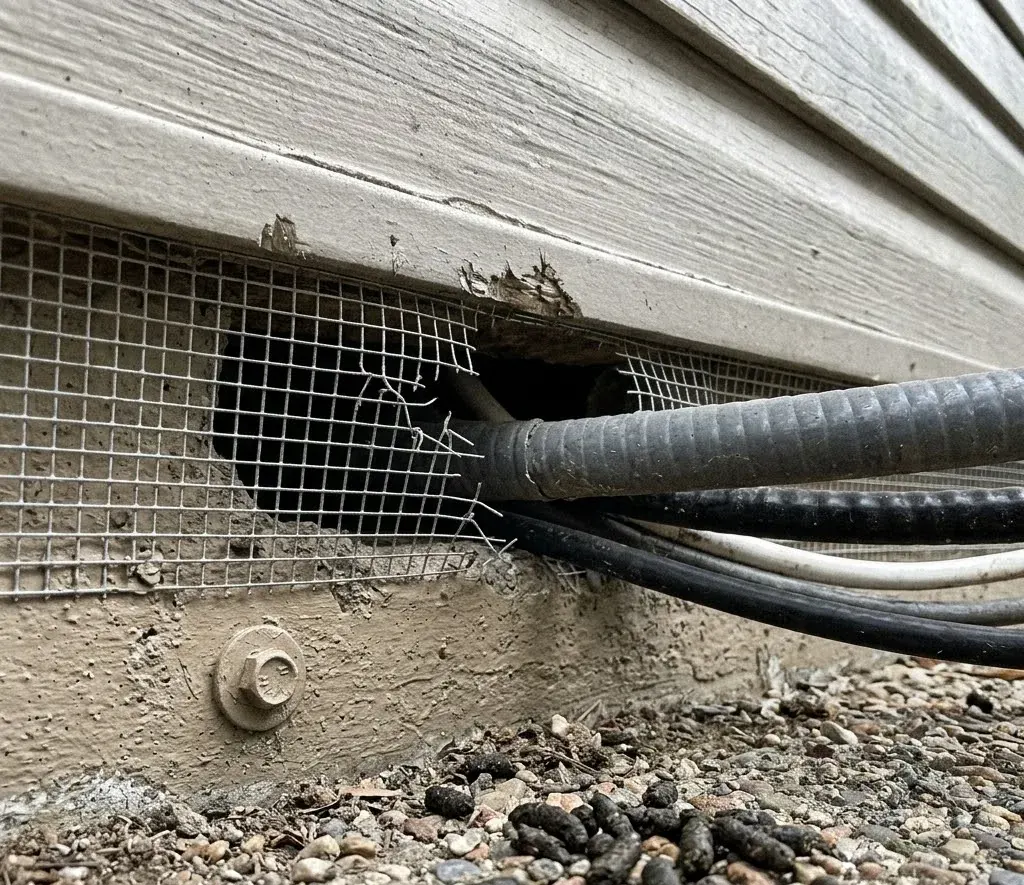
Copper mesh for mice can fill some small, uneven gaps; fit, exposure, and finishing needs affect the repair.
When edges are damaged, the repair may include addressing that material before the mesh is fitted. It fills space but leaves openings in its weave, so a separate finish may be needed for a continuous seal. Check the gap’s size, edge condition, and exposure first.
Small Gaps With Uneven Edges
Check a gap’s width, depth, edge condition, and exposure before choosing copper mesh. In Kenosha, it may suit a small opening with an irregular outline where the strands can be packed in and held by the surrounding material. The mesh takes up space inside the gap; it does not close the surface by itself. That distinction matters when comparing repair options, since the finished work may also need a separate face or seal, depending on the opening.
The weave can be shaped to fit a small opening whose edges do not form a neat rectangle. A compact insert may follow the outline around a chipped or uneven section, provided the edge can hold it in place. For example, a house near Prairie Springs Park and a small shop elsewhere in Kenosha may have very different gap shapes. The location alone does not determine the repair; the opening’s dimensions and condition do.
The surrounding edges need to hold the strands so the insert stays in place. It is not a coating that spreads across a wall or a finished panel that closes the opening. If you need a continuous outer surface, plan for a compatible finishing material or another repair. Whether that extra step is needed depends on the gap and the surface around it.
Mesh Filler Versus Finished Seal
Treat the packed mesh and the visible finish as separate parts of a repair. The insert fills space within the gap, while a suitable outer material may close the remaining openings and hold the work in place. The finish has to suit the surface it touches and the conditions at that spot. When comparing options, account for both the filler and any finishing work; the amount of preparation can affect the scope.
Check whether the opening stays wet and what materials touch the copper before selecting the repair. Persistent dampness or contact between dissimilar materials can affect how the surrounding finish holds up, so the full assembly matters. A property near Lake Michigan is not automatically exposed in the same way as every other Kenosha property; assess the actual gap. The pros we connect you with can explain which materials fit the observed conditions.
Cut strands can have sharp ends that prick skin or catch on adjacent finishes. If you handle the material, wear gloves and keep children and pets away from the work area. Pressing mesh into a gap also takes care: forcing it against a fragile edge may loosen the surrounding surface. Where an edge is already damaged, include its repair in the scope before comparing material choices.
Moisture and Material Contact
Start by measuring the opening and checking whether its edges are firm enough to retain a packed insert. Then note whether the spot is sheltered, exposed to rain, or often damp, and identify nearby materials that the copper could touch. A small opening at a Kenosha home near Lake Andrea still needs an individual check; the place name does not tell you its condition. These observations help define the materials and labor involved.
Choose a rigid cover or a different repair when the opening needs a smooth, continuous face or the surrounding edge cannot support woven filler. Mesh can occupy a gap, but it does not supply structural support or bridge a weak surface. A stronger repair may require more preparation or material, which can change the work’s cost. Compare options against the opening’s actual needs rather than choosing by the filler alone.
When a Firmer Repair Fits Better
Before deciding on copper mesh, separate the cost of the insert from the work needed to fit and finish it. A snug fit in a sound edge may involve less preparation than a repair that first needs damaged material addressed or a separate cover installed. Access to the spot and the finish required also affect the scope. A clear scope should distinguish preparation, insertion, and any finish that closes the face.
After the repair, check that the insert remains seated and that the finish has not pulled away from the surrounding surface. A loose edge or exposed section can leave space around the filler, while a damaged finish may need attention on its own. For a Kenosha property, these checks concern the condition of that particular repair; proximity to Interstate 94 or another local landmark does not establish how it will hold up.
Check Fit, Finish, and Exposure
- In Kenosha, ask whether moisture or contact with surrounding materials affects copper mesh suitability; it fills a rodent gap but leaves the finish to another repair, which can change the work quoted.
- Check whether the surrounding edge is sound enough to keep the insert in place.
- Address damaged material around the opening before deciding how to finish the repair.
- Check whether the opening is small and uneven enough for copper mesh to sit firmly; a poor fit can leave space for rodents to pass.
- Ask whether the mesh alone completes the repair or needs a compatible surface layer; added finishing work can change the job’s scope.
- Note moisture and nearby materials before choosing mesh, since exposure can affect how the repair holds and which option makes sense.
Rodent Service Details
Where can copper mesh help with a rodent gap?
Copper mesh is suited to small, irregular gaps where the edges can hold a packed insert. Its strands take up space within the opening, which can make passage harder, but the weave leaves spaces and does not form a complete surface. A separate finish may be needed to close the face. Check the gap’s dimensions and edge condition first; those details determine whether mesh fits the repair.
Does copper mesh make a complete seal by itself?
No. The woven strands fill some of the space but leave openings between them, so copper mesh alone does not provide a continuous finished face. Depending on the gap and surrounding surface, the repair may need a compatible finishing material or a different method. Include that finishing step when comparing the work involved, since the filler and the completed seal serve different purposes.
What can change the cost of a copper mesh repair?
Check for persistent dampness and note which materials touch the copper before settling on a repair. Conditions at the opening can affect the adjacent finish, so the mesh should not be considered by itself. Also account for sharp strands during handling: gloves help protect your hands, and children and pets should stay clear of the work area. The suitable choice depends on the specific location and surfaces.
Compare the repair options
For your Kenosha property, share the gap’s size, access, and exposure with the pros we connect you with to compare suitable repair approaches.
Call (262) 665-0359