Sealing Gaps Can Limit Future Access
Kenosha properties vary between streets near the Kenosha Public Museum and areas closer to Simmons Island Park. Those landmarks do not indicate rat activity; they are useful reference points when describing where a property’s lower walls and access routes need inspection.
A house or small commercial building near the Civil War Museum may have different access conditions from one nearer Interstate 94. Neither location predicts rodents. The relevant details are the property’s own signs, burrows, and ground-level openings.
Calls may begin with a household in Kenosha or with someone overseeing a property elsewhere in Kenosha County. If you are asking on another person’s behalf, be ready to identify the building so the pros we connect you with can discuss whether it is within their working territory.
Choosing and Placing Control Devices
- ASSESSMENT
- A useful assessment connects indoor activity with possible ground-level routes and burrows near the structure.
- ACCESS
- Traps or bait address activity at selected locations; access and safe placement limit where they fit.
- OPTIONS
- Sealing suitable openings may reduce entry, but it does not guarantee rats will stay out.
- REPAIRS
- A follow-up plan should state what the provider will review and what could prompt a change.
- MONITORING
- Near Monument Square, ask the pros we connect you with how they will check devices and use any continued activity to guide the next service step.
- ENTRY GAPS
- Kenosha’s regional winter conditions can make ground-level openings harder to inspect when snow covers them. Freeze and thaw can also shift soil around a foundation. Ask when the provider can assess the exterior clearly and whether seasonal changes affect the follow-up plan.
- ENTRY REPAIRS
- an estimated $325–$575
Distinguishing Rodent Signs from Wildlife
House mouse. Rats are typically larger than mice, though size alone may not settle an identification. The inspection should establish what activity and access conditions the proposed control work is meant to address. For service planning, ask the provider to state whether the concern being assessed is burrowing Norway rats and ground-level access. A single mark or sound cannot settle the animal; the inspection should weigh the reported activity and its location.
Trace Signs Back to Travel Paths
The provider first reviews indoor activity and the building’s lower exterior, including possible access near doors, pipes, and foundations. It can compare those findings with reported soil disturbance and identify locations where control devices may be appropriate. The inspection guides the proposed work; a single clue does not settle the plan.
The inspection can also look for food or shelter that may be sustaining activity. Suitable gaps may also be sealed to reduce access, while unresolved openings can leave routes available. Later review can show whether activity continues and whether device placement or other steps need adjustment.
A confined route with an understood access point may need only one appointment if the agreed control steps can be completed then. If devices need later checks, new signs appear, or access work must wait, ask what a return visit would assess before deciding whether a plan fits.
ACCESS FINDINGS FROM AN INITIAL VISIT BESIDE ONGOING SITE OBSERVATION
| Entry Routes |
Seal Entry Points |
|---|
| New signs limited to one room | Activity follow-up |
| Rodent signs recur after earlier service | Check device placement |
| Rodent evidence recurring across several unsealed routes | Gaps closed; control gear checked |
PRODUCT DIRECTIONSThe supplied facts do not identify a stand-alone Wisconsin rat-control license or verify a Kenosha rat-control ordinance. Ask the pros we connect you with to identify who will perform the work and have the invoice describe the inspection, control steps, and any pesticide used. The same questions apply at a house or small business.
Scoring on Boxes and Stored Items
Accessible food and water can give rats reasons to keep returning to an area. Continued activity can leave damaged areas and contaminated surfaces that need separate repair and careful cleanup. Avoid raising dust around waste, and ask the provider what cleanup is outside the control work.
Look For Signs Along Indoor Routes
Keep food in closed containers, clear accessible crumbs, and note where you see activity without handling waste or disturbing soil. Take photos of signs from a safe distance to help preserve details for the inspection. Read product labels, but leave device placement, bait use, and assessment of entry points to the provider.
Product Directions Before Any Placement
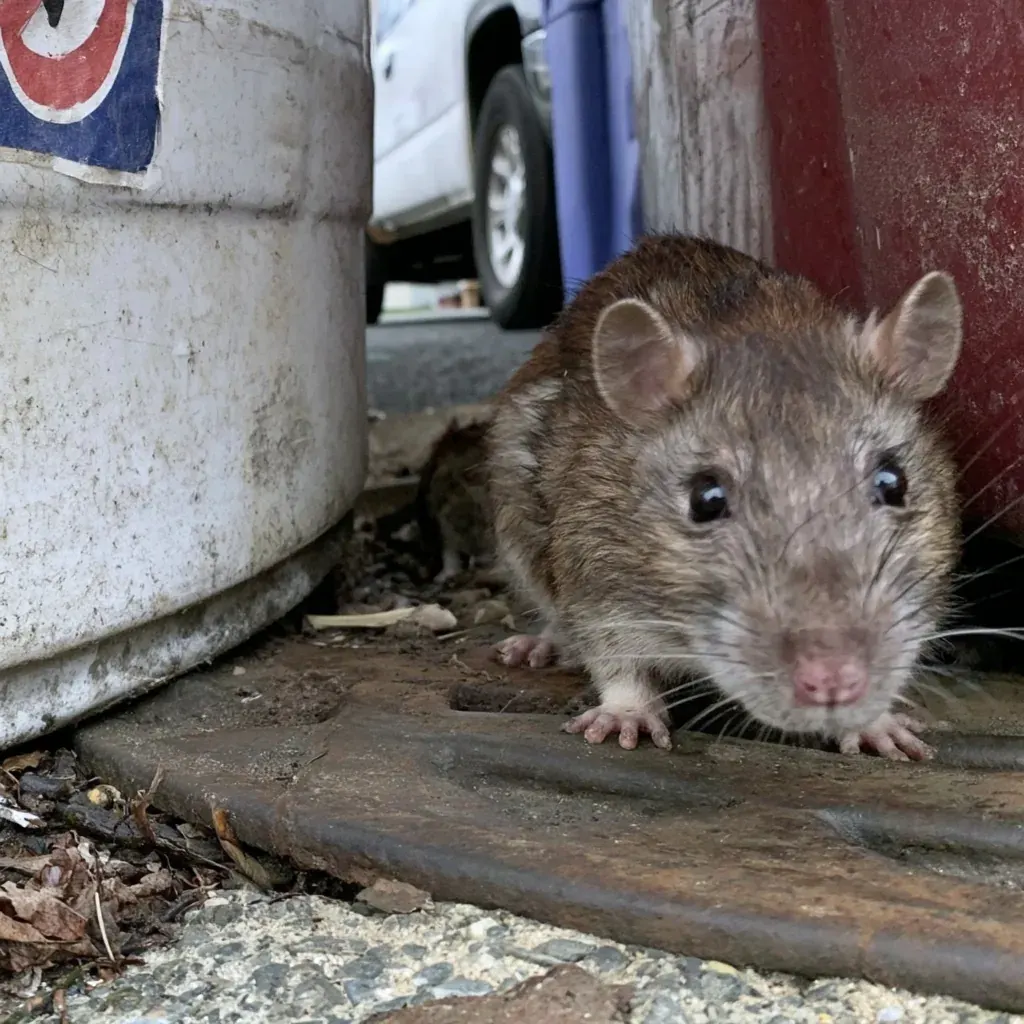
In Kenosha, treat burrowing Norway rats as a household nuisance that can compromise food storage. Fresh soil around a burrow can help distinguish current activity from an older opening. At a home or small shop, ask what follow-up would show whether activity continues, including near Reefpoint Marina or Johnson Wax Headquarters.
Start a Conversation About Rodent Fees
If the proposed work changes after service starts, ask how the pros we connect you with would explain an updated estimate before proceeding.For a Kenosha home near Simmons Island Park or Monument Square, a guide range is an initial estimate for inspection and the control steps discussed. It does not automatically include repairs, extra visits, or sealing; tell the pros we connect you with what you noticed, then confirm any visit charge and the exact agreed work before scheduling.For a cost overview, start with pricing guide. Rat Control explains the rodent-control work and what it may involve.