Check for Activity Before Rearranging
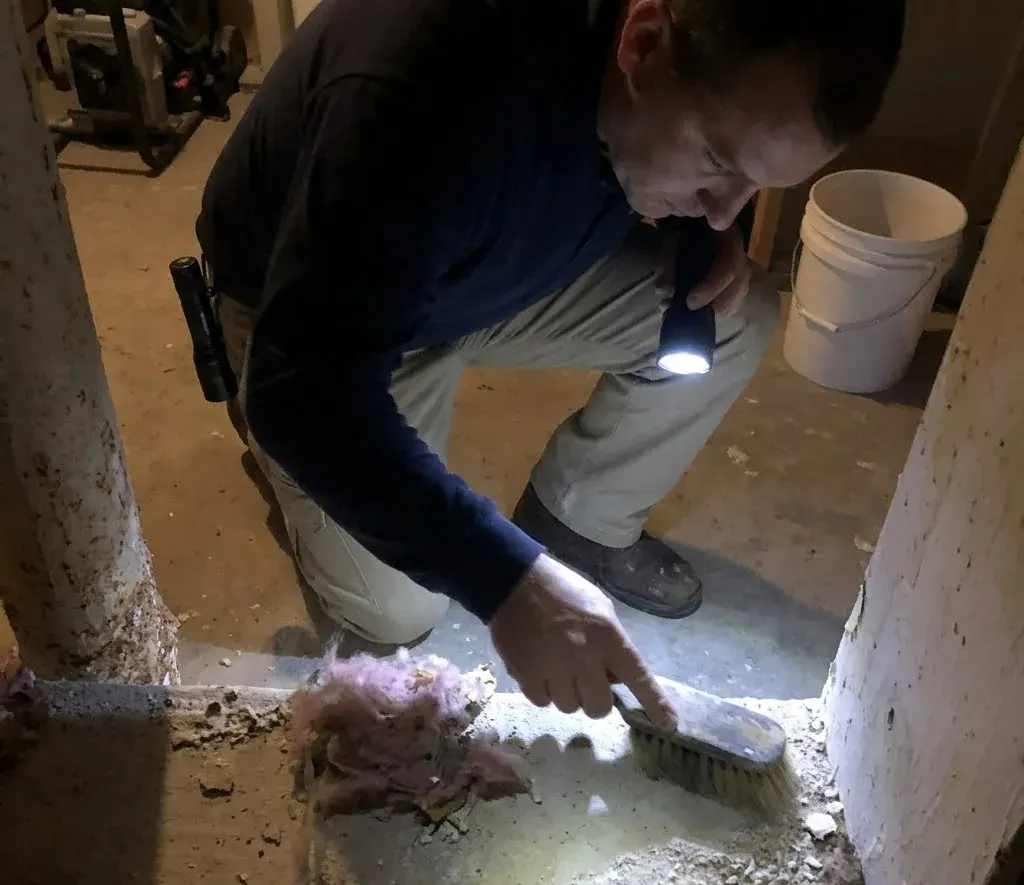
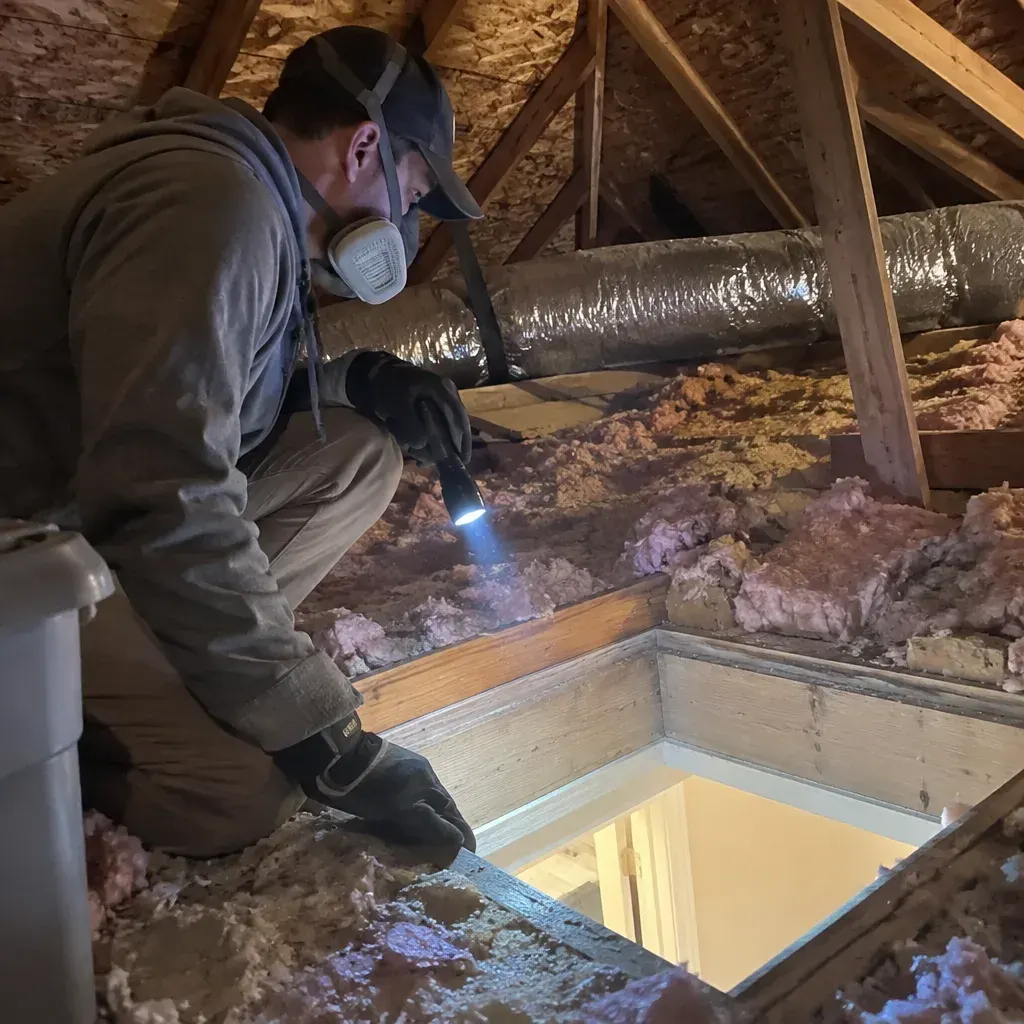
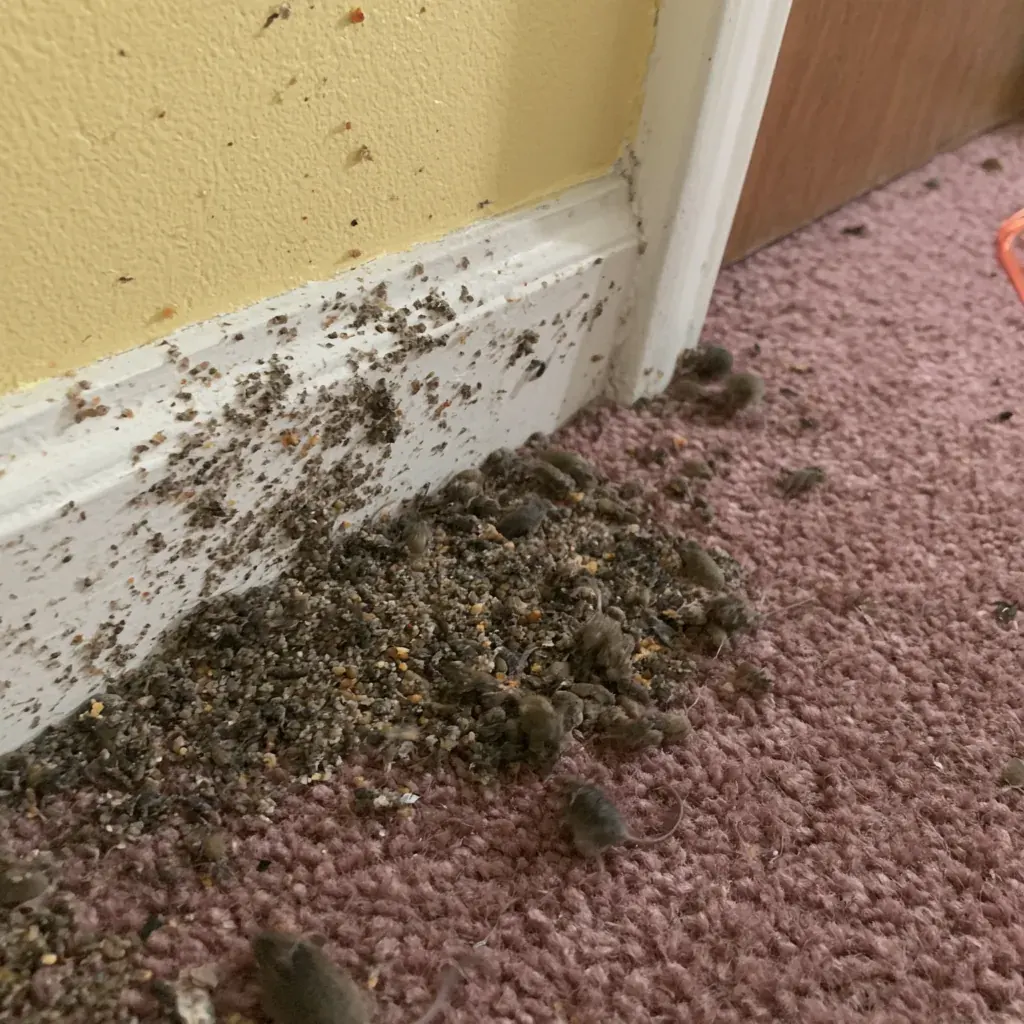
Begin by checking the shed before shifting stored items. Look for dark pellets, chewed edges, shredded nesting material, or sounds from behind a wall; each can suggest activity, but an inspection helps determine what the signs mean. In Kenosha, proximity to Monument Square, Festival Park, or Simmons Island Park cannot tell you whether rodents are inside. The condition of the shed itself is the useful evidence, so note where signs appear before cleaning or rearranging anything.
Next, check what rodents can eat or drink indoors. An open bag of grass seed, pet food, or birdseed can provide a reason to return, while a leaking container or damp corner may supply water. Look for torn packaging or scattered food when checking for signs of feeding. A single mouse sighting does not show where it entered, so avoid treating one trap as a complete solution while food remains easy to reach.
Make Shed Storage Easier to Inspect
Storage can make a shed harder to inspect when boxes and fabric are packed against walls. Pull items forward enough to see the floor edges, remove damaged cardboard, and keep frequently used tools together rather than scattered across the room. These changes expose new signs and make later checks easier. A household shed and a small business storage room can both collect forgotten supplies; sorting them gives you a clearer view without assuming that every old mark means current activity.
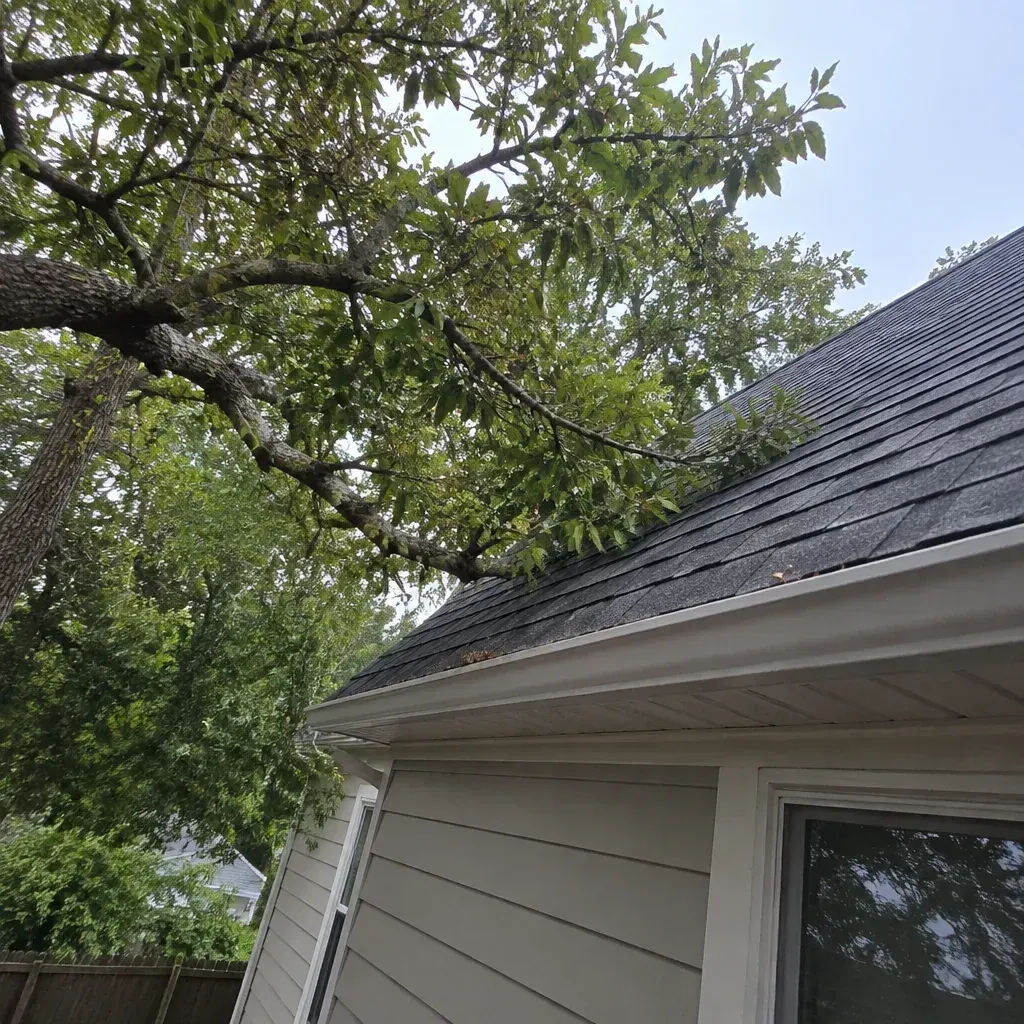
Once the interior is visible, inspect the lower walls, door edges, and places where pipes pass through. Look for damaged screens, loose sealant, or worn weather stripping during the inspection. Record the location of any suspected opening instead of guessing from droppings alone. Finding a possible access point helps explain the pattern, but it does not by itself confirm which animal is using it.
Use Evidence to Guide the Next Step
Compare the signs you found rather than reacting to one mark in isolation. New droppings, fresh chewing, or repeated sounds suggest the shed may still be in use; dusty or undisturbed material offers less information about current activity. Take notes on which areas show changes after you clear supplies and improve visibility. For a Kenosha property near Simmons Island Park, as elsewhere in the city, a site-specific inspection is more useful than drawing conclusions from the address.
If evidence keeps appearing after you secure supplies and clear obstructed areas, consider an inspection. Tell the pros we connect you with what you observed, where it appeared, and whether the signs changed after you reorganized the shed. Findings can guide whether trapping, baiting, or other control steps suit the conditions. Ask how possible access points will be considered and what the service plan includes for checking activity afterward; a device placed without a clear reason may miss the route being used.
Handle Control and Cleanup Carefully
In Kenosha, start by noting where you see activity before moving anything: fresh droppings, gnawed packaging, nesting scraps, or sounds behind stored goods can help narrow the area to inspect. Shed rodents may use stacked boxes, feed, or a damp corner for food and shelter, so remove accessible food and sort clutter after recording what you found. A landmark such as Monument Square, Reefpoint Marina, or Johnson Wax Headquarters can help identify the property when arranging an inspection; it does not indicate what is happening inside the shed.
In Kenosha, start by taking stock of what the shed holds before treating it: open containers, accessible food, standing water, and packed clutter can make it harder to tell what is drawing mice in or where they move. Near the Civil War Museum, Kemper Center, or Lake Michigan, those landmarks do not establish activity at your property. If you find droppings, do not sweep them dry, since dust from contaminated areas can carry germs. Remove reachable food and clutter carefully, then consider an inspection if signs continue.
Dealing with rodent activity in your home?
Start by noting where you saw activity, then ask what a visit would cover. In Kenosha, a home near North Beach and a small business by Monument Square may have different layouts, so the pros we connect you with need your address and a brief description before they can discuss fit. Ask whether your property is within their service area, what appointment timing is available, and whether the visit carries a charge. If you have noticed sounds or damage, describe where they occur; a site visit can help identify activity and possible entry routes.