Warehouse Rodent Control
Kenosha Warehouses
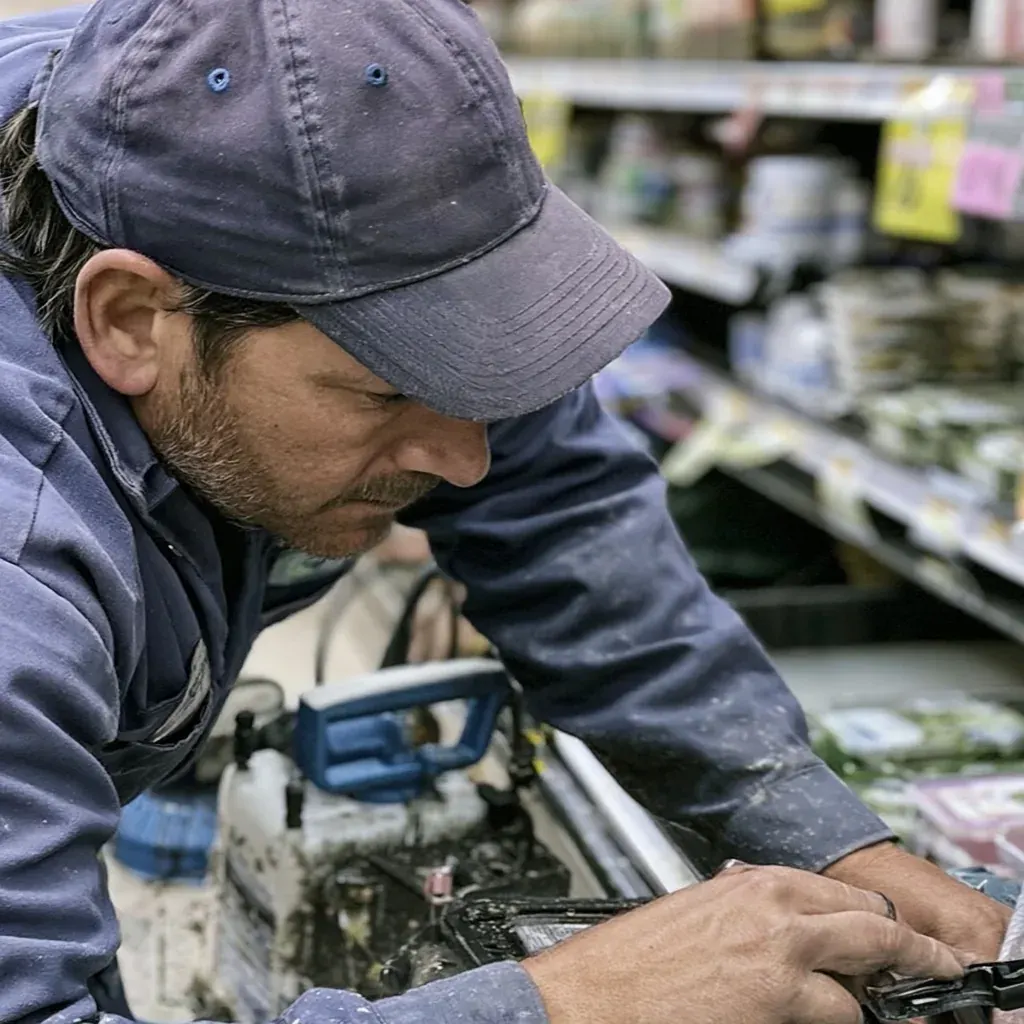
Track store reports by department and date, then coordinate merchandise handling and service access around daily operations.
Retail stores can log rodent signs by department, date, and exact location, note packaging concerns, and coordinate service access around customers and deliveries. Clear records help the pros we connect you with review activity and plan follow-up for each Kenosha store.
Start by noting where signs appear, then connect those observations to store routines and the records used to track changes. Retail rodent control needs to account for how customers, staff, and merchandise move through a building. In Kenosha, a sighting near a display and a report from a stockroom are separate details to log until someone checks whether they may be related. The pros we connect you with can use those notes to plan work around occupied areas and keep the next steps clear for store staff.
Mice in retail stores may travel between sales areas and stock spaces through openings around pipes, doors, or utility lines. Droppings, gnaw marks, or sounds can help you identify where to look, but a sign in one department does not establish the route or extent of activity. In Kenosha, note the exact aisle, fixture, or back-room area involved. A reference to the Civil War Museum can orient a local service discussion without suggesting anything about rodent activity there or nearby.
Store rodent prevention works best when it follows the path of goods and people. Check how deliveries enter, where cartons wait, and whether staff leave doors open while moving merchandise. Record those routines alongside signs instead of assuming each report has the same cause. For a Kenosha retailer, references such as Simmons Island Park can help identify the service area, while the store’s own observations guide decisions. Keep food, if sold or prepared, contained and clean up accessible crumbs as part of routine sanitation.
Customer traffic affects where devices can be placed and when staff can give access. Note busy aisles, checkout areas, fitting rooms, and spaces closed to shoppers, then share any restrictions with the service provider. The pros we connect you with can discuss placement that fits the store layout and precautions for occupied areas. In Kenosha, a store’s hours and floor plan matter more to scheduling than a landmark such as Kemper Center; that name is only a local reference, not an activity report.
If signs appear near merchandise, follow your store’s process for identifying and holding any items that may need review. Record the product area and packaging condition before items are moved, and note who was informed. This gives managers a usable account without making assumptions about exposure or disposal. For Kenosha stores, clear handoff notes help a manager on another shift understand which department needs attention. Keep customer routes clear while staff address the concern, and coordinate any product decisions through the store’s own handling procedures.
| Sign | Store area | Record detail |
|---|---|---|
| Display area | Set aside affected displays pending review | Department, shelf location, package condition |
| Stockroom shelves | Keep shelving edges reachable for checks | Aisle, nearby droppings, inspection date |
| Food handling | Secure food and clear crumbs before service | Food location, cleanup, handling steps |
| Delivery door | Schedule access between receiving periods | Delivery schedule, door access limits |
| Customer area | Set work timing around store activity | Open hours, staff contact, affected zone |
| Wall openings | Keep gaps near pipes accessible for review | Opening location, sealing recommendation |
| Control devices | Keep devices accessible for planned checks | Device location, check result, next step |
| Store record | File notes under the correct store address | Kenosha address; nearby cue if useful, such as Reefpoint Marina or Monument Square |
Delivery routines can change access to receiving and stock areas. Write down which entrance is used, when the loading area is busy, and whether carts or pallets remain near an open door. In Kenosha, a store near Interstate 94 may have its own delivery schedule, but the road itself says nothing about rodent activity at that property. Share actual door and delivery constraints with the provider so service can be arranged around unloading rather than interrupting it.
Store hours shape who can unlock restricted rooms and whether customer areas will be occupied during service. Identify the manager or keyholder who can provide access, and tell the provider which departments are closed or staffed at different times. A Kenosha store may need a different arrangement for early receiving than for a busy sales period. Agree on how staff will be notified about visits and device checks so no one enters a restricted area without coordination.
Where a retailer sells or prepares food, include the relevant work areas and handling routines in the service discussion. Tell the provider which spaces need to remain available, where food is stored, and who is responsible for cleanup. In Kenosha, those details depend on the individual store rather than its location near Prairie Springs Park or another public place. Keep food sealed and crumbs cleared, while following the business’s own sanitation and food-handling procedures.
Control planning can address activity inside and possible ways rodents enter. Note gaps around door edges, pipes, and utility lines for review; small openings can allow rodents into a building. Traps or bait stations may address activity, while closing suitable access points can help reduce routes inside. For a Kenosha property, record which openings staff have noticed and whether they change with routine door use. The inspection findings and service plan should guide what work is appropriate.
A simple floor plan can help staff describe where signs and device concerns occur. Mark departments, receiving access, staff-only rooms, and the location of each report, using the store’s own labels. Avoid drawing a route between points unless someone has observed it. In Kenosha, local references such as Lake Michigan Park can help distinguish the service area, but the map should describe the actual store. Update it when displays move or departments change so the record remains useful.
Dated service records make recurring activity easier to evaluate. For each visit, note the departments reviewed, signs reported, device observations, actions taken, and any access limits that affected the work. In Kenosha, use consistent department names so managers can compare one report with another even when shifts change. Keep the log with the store’s other operating records, and distinguish staff observations from findings made during service. Follow-up checks can show whether activity continues and whether the plan needs adjustment.
Choose one staff contact to collect reports and pass them to the provider. Ask employees to include the department, time noticed, and what they saw, without moving a device or disturbing an area to investigate. A Kenosha store with more than one site can use the same reporting format while keeping each address’s notes separate. This helps a manager spot repeated reports and share a complete account at the next service visit. Keep access instructions current when keyholders change.
The cost of a rodent inspection depends on the store’s layout and the work needed to assess its concerns. The number of departments involved, access to back rooms, delivery timing, and operating hours can affect how much coordination is required. In Kenosha, a retailer near Pleasant Prairie should describe its own site conditions rather than assume nearby stores have the same needs. Share whether merchandise areas, receiving spaces, or food-handling rooms need attention so the estimate reflects the requested scope.
Before arranging a site assessment, gather the affected departments, reports of sightings, notes on damaged packaging, and any limits on deliveries or access. A store layout and a contact who can open restricted areas can help the discussion stay focused. In Kenosha, include the store address and its operating hours; a local reference such as Lake Andrea may help identify the general service area but cannot substitute for site details. Ask how observations and follow-up findings will be recorded.
Start with a dated record of what staff noticed, where it happened, and whether packaging was involved. Then compare later notes by department and location so a repeated pattern does not disappear inside general shift reports. In Kenosha, a regional retailer can keep each store under its actual city label, such as Kenosha, Pleasant Prairie, or Bristol, before combining records for review. Share access limits and delivery windows with the pros we connect you with. After service, log the guidance given and the planned check, so the next manager can tell what changed and what still needs attention.
The community links point to areas for residential rodent-control inquiries across Kenosha; use them to check address coverage and ask about service options, includingBristol, Sturtevant and Union Grove. Have the provider spell out which appointments carry separate charges and whether your address falls beyond its regular service area.
For a restaurant, the quote is commonly built around each planned visit, then adjusted for the area served and service frequency. $80–$175 gives a guide. The inspection can also help identify fresh signs of rodent activity and what needs attention.For a commercial property, continued monitoring can add return visits and device checks, increasing the work included in the quote. When you call, describe the signs you have found, ask whether inspection has a separate charge, and request the planned treatment and follow-up work in writing.Review the full set of rodent-control bands through pricing guide; commercial overview shows how scheduled commercial service is arranged.
Kenosha Warehouses
Apartment Rodent Control
Office Rodent Control
Compare reports by department, date, and exact location, then note whether a later observation matches the earlier one. A recurring pattern may point to an area that needs another look, while a single report gives less context. Keep each entry factual and pass the timeline to the manager coordinating service in Kenosha.
Yes. Share the store’s opening hours, receiving schedule, and any periods when staff need a room or sales area clear. The pros we connect you with can discuss a visit window that fits those constraints. Record the agreed access plan so floor staff and receiving teams know when to expect work.
Record the date and time, department, precise location, what was observed, and whether packaging was affected. Include the reporter’s role and any delivery or room-access restriction that could matter during a visit. In Kenosha, use the store’s full address so notes stay attached to the right location.
Keep staff observations and service notes in one dated file for each store. After a visit, add the areas reviewed, any instructions affecting access or merchandise handling, and when the next check is planned. Give the file to the manager responsible for that location, who can update it when new reports come in.
For a Kenosha site assessment, note affected departments, packaging concerns, sightings, and delivery or access limits.
Call (262) 665-0359