Warehouse Rodent Control
Kenosha Warehouses
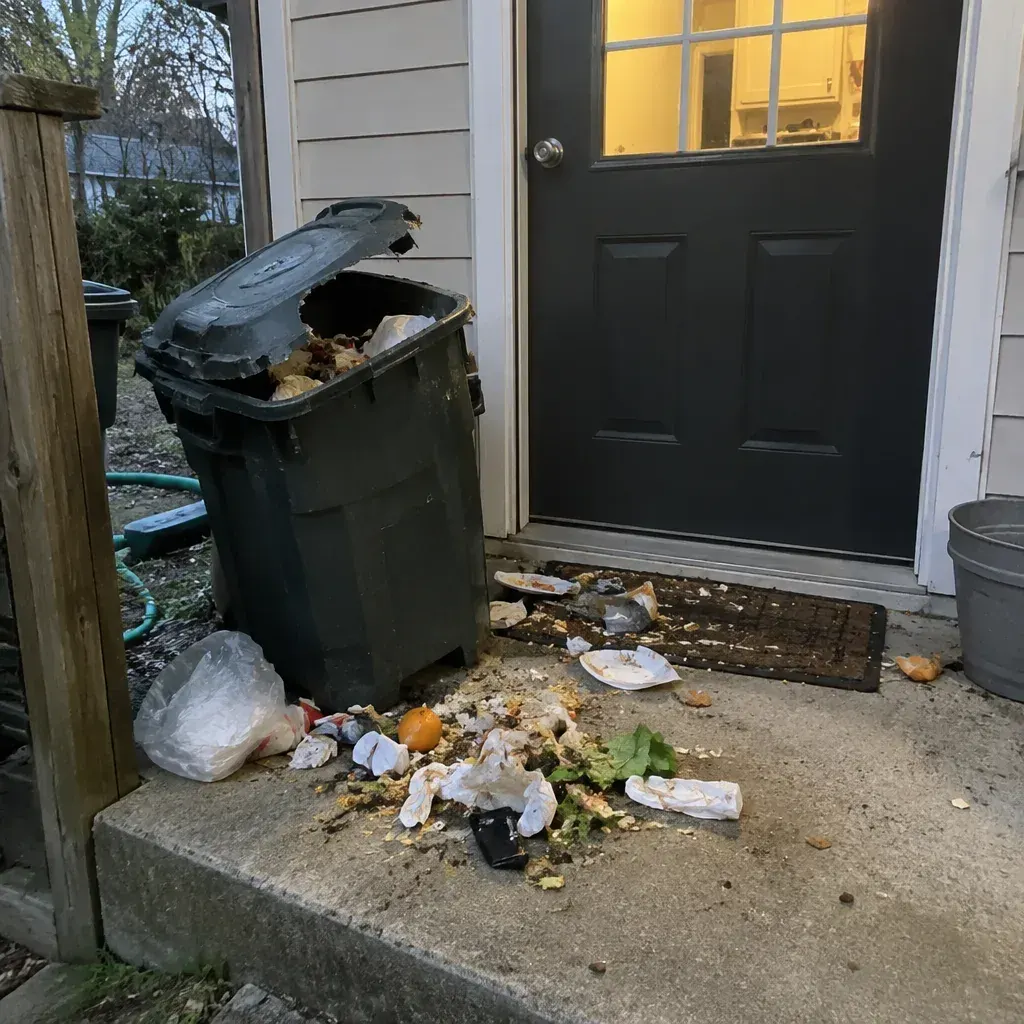
Track rodents in food facilities by zone, then coordinate monitoring with sanitation routines, food handling, and site access in Kenosha.
Food facilities can track signs by production and storage zone, record when and where they appear, and coordinate monitoring with sanitation and food-handling procedures. An assessment can guide device placement, access planning, and follow-up checks.
Food processing rodent control works best when you begin with the production and storage zones where activity could affect operations. In Kenosha, note any droppings, gnawing, damaged packaging, or sounds, then arrange an inspection to judge what the signs mean. Keep product and food-contact items away from areas under review, following your facility’s handling procedures. The next steps depend on where evidence appears, how staff and sanitation teams use the space, and whether rodents have routes into the building.
Record each observation while it is fresh, including the time, room, nearby equipment, and what staff noticed. At a Kenosha plant, those details can help distinguish a new sign from one already found and show whether activity is moving between storage and production. Note who reported it and whether cleaning or material movement happened nearby. A clear timeline gives the pros we connect you with a useful starting point and helps your team compare findings after control work.
Use a simple site sketch to show how ingredients, finished goods, waste, and staff move through the facility. For a Kenosha operation, mark room names, interior connections, loading areas, and storage boundaries in the terms employees use every day. A sign beside a receiving route may matter differently from one found behind a production line. The sketch gives the inspection a way to connect observations across zones without assuming that activity in one room explains every report.
Plan service around the actual production sequence, including shutdowns, washdown periods, and times when ingredients or packaging are exposed. In Kenosha, coordinate the visit with the staff member who controls the schedule so an inspection does not interrupt a protected task. Identify when a room can be safely examined and when it must remain untouched. If the line schedule changes, share that before the appointment; timing affects which areas can be checked and what work can be completed.
Explain how visitors enter and move through the facility before arranging work. A Kenosha site may require an escort, protective clothing, hygiene steps, or a check-in at a particular entrance; tell the pros we connect you with which rules apply to each zone. Flag machinery that cannot be approached while running and rooms that need advance clearance. These details let the visit fit your operating conditions, rather than leaving staff to resolve access questions while production is underway.
| Work area | Observed evidence | Access window |
|---|---|---|
| Zone map | Separate processing, packing, ingredient, and finished-goods areas | Focus inspection on edges adjoining stored materials |
| Evidence type | Log droppings, gnaw marks, nesting material, or sounds | Have an inspection assess what the signs indicate |
| Cleaning access | Share washdown and sanitation windows | Schedule checks when areas are accessible under site procedures |
| Food handling | Identify exposed ingredients and packaging | Align monitoring steps with facility handling procedures |
| Site location | Record each plant entrance and address | Use Reefpoint Marina or Monument Square as map references when useful |
| Work hours | Note receiving and production periods | Set visits for safe access with less workflow disruption |
| Entry gaps | Mark openings at doors, pipes, and foundations | Prioritize sealing where inspection finds likely routes |
| Review plan | Retain zone notes and device locations | Use follow-up findings to assess whether measures need adjustment |
After reviewing the signs and conditions, the provider can discuss whether trapping, baiting, or a combination fits the affected area. Food plant mice may follow concealed edges or pass through storage spaces, so observations help determine where control measures belong. In Kenosha, make sure the proposed work accounts for nearby product, utensils, and employee routes. The facility’s handling rules and the inspection findings should guide the method; a single approach does not suit every room.
Check possible routes from outside and between connected parts of the building. An inspection in Kenosha can include gaps at door bottoms, utility penetrations, and foundation transitions, since small openings may provide access for rodents. Ask which openings need attention and whether repairs should be handled by your maintenance staff. Closing a route can support control, while leaving it open may allow activity to return even after signs inside have diminished.
Review where food residue, spilled ingredients, or waste can remain accessible between scheduled cleanings. In a Kenosha facility, discuss how opened materials are contained, where sweepings collect, and whether refuse waits near a door or storage area. Sanitation adjustments can reduce available food, but they do not repair a gap or stop movement through a wall opening. Pairing housekeeping observations with the inspection helps identify which conditions your team can change directly.
Place monitoring devices where inspection findings show likely movement, while keeping them out of food handling and routine equipment paths. For a Kenosha plant, have the provider identify each location in a way staff can find without confusing it with production equipment. Include a location label or reference on the facility sketch, and agree who can reach the point safely. Placement should reflect both rodent evidence and how the surrounding zone is used during normal operations.
Rodent follow-up monitoring means returning to the recorded locations and checking whether signs remain or control devices need attention. In Kenosha, agree on the visit interval with the provider based on the service plan and the activity observed. Compare the new findings with the earlier notes, including areas that could not be entered. If evidence shifts toward another zone, update the inspection focus instead of treating each visit as an isolated check.
Keep a service record that links each finding to its place, the action taken, and what happened afterward. A Kenosha facility can include device condition, repairs assigned to maintenance, rooms that were unavailable, and sanitation changes discussed with staff. Record the person responsible for each follow-up task so unresolved items do not disappear between shifts. These notes support day-to-day coordination and give managers a clear account of how observations and responses changed over time.
If your organization manages several plants, use a shared record format but retain each building’s room names, access steps, and operating constraints. A Kenosha site should still be understandable on its own, even when managers compare activity across locations. Separate the findings by facility and zone, and make clear which actions are local responsibilities. Consistent entries help teams spot recurring operational issues without assuming that conditions or suitable control steps are identical everywhere.
For a facility-specific assessment, gather dated observations, affected zones, sanitation schedules, and access requirements before contacting the pros we connect you with. In Kenosha, include whether activity was reported near production, ingredient storage, receiving, or waste handling, plus any limits on entry. Mention shifts or cleaning windows that shape access. This information helps the provider prepare to review the relevant areas and discuss control options that fit how your facility operates.
When arranging the visit, give the facility address, a site contact, and directions to the correct check-in point. If a Kenosha location is easier to identify by a nearby reference, you might mention Interstate 94, Simmons Island Park, or the Dinosaur Discovery Museum where relevant. Explain visitor entry steps and any escort needs in advance. That gives the pros we connect you with a practical route to the right entrance and avoids delays finding the responsible staff member.
In Kenosha, the cost of rodent follow-up monitoring depends on the scope of the facility plan: how many production and storage zones need review, what access each requires, and how the service schedule fits the operation. A shift in sanitation timing or a room that needs an escort can change how a visit is arranged. Follow-up notes help show whether activity has moved or persisted, so the next review can focus on current conditions. The pros we connect you with can assess the site and explain what monitoring would involve.
For homes throughout Kenosha, use the places below to locate where you can inquire about rodent assessment and possible control for your property, includingKenosha, Pleasant Prairie and Bristol. Ask whether travel is part of the service charge and what additional visits, if needed, would add to the total.
For a restaurant, the quote is commonly built around each planned visit, then adjusted for the area served and service frequency. $80–$175 gives a guide. The inspection can also help identify fresh signs of rodent activity and what needs attention.For a commercial property, continued monitoring can add return visits and device checks, increasing the work included in the quote. When you call, describe the signs you have found, ask whether inspection has a separate charge, and request the planned treatment and follow-up work in writing.Review the full set of rodent-control bands through pricing guide; commercial overview shows how scheduled commercial service is arranged.
Kenosha Warehouses
Apartment Rodent Control
Office Rodent Control
Set observation points along the edges of production rooms, receiving areas, and ingredient or finished-goods storage, with placement suited to each area’s food-handling procedures. Have staff note the location and time of any new evidence and pass it to the facility contact. The pros we connect you with can review those observations and determine where monitoring devices belong. Keep checks outside exposed-food work and follow each device’s directions.
Share the production calendar, sanitation windows, and any times when rooms are unavailable before a visit is arranged. Identify who can grant entry and whether protective steps or an escort are required. In Kenosha, a facility may operate on its own schedule, so the plan should fit its actual shifts and cleaning procedures. This gives the pros we connect you with a clear way to reach the relevant areas without disrupting food-handling work.
Enter the date, room or zone, observed evidence, and any response taken. Add context such as a moved load, a change in cleaning routine, or a space that could not be accessed; those details can help explain a change between visits. Keep the notes available to the staff coordinating food safety and service. A clear record also gives the pros we connect you with a useful starting point for follow-up.
Gather recent activity observations, mark the affected production and storage zones, and write down sanitation timing and entry requirements. Note which rooms need an escort or have limited access, plus the facility contact who can explain its procedures. For a Kenosha site, give clear directions to the correct entrance; a public reference such as Monument Square can help identify the general area. The pros we connect you with can use these details to assess the facility.
For a Kenosha assessment, gather activity notes, affected zones, sanitation schedules, and access requirements; use Kenosha Public Museum or Simmons Island Park as a general location reference.
Call (262) 665-0359