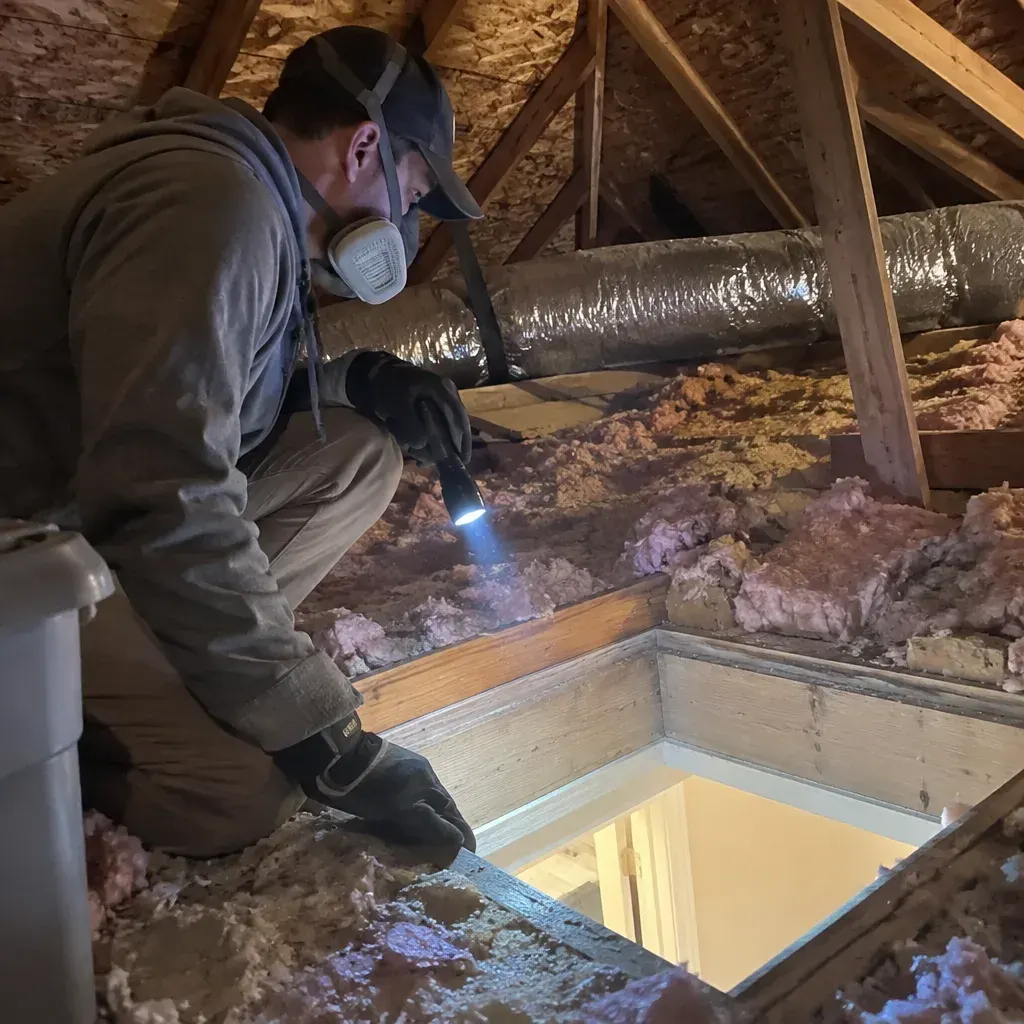
How Many Mice?
In Kenosha, one mouse cannot reveal how many may be nearby. Unsealed food and crumbs can make a room more inviting to mice.
Read article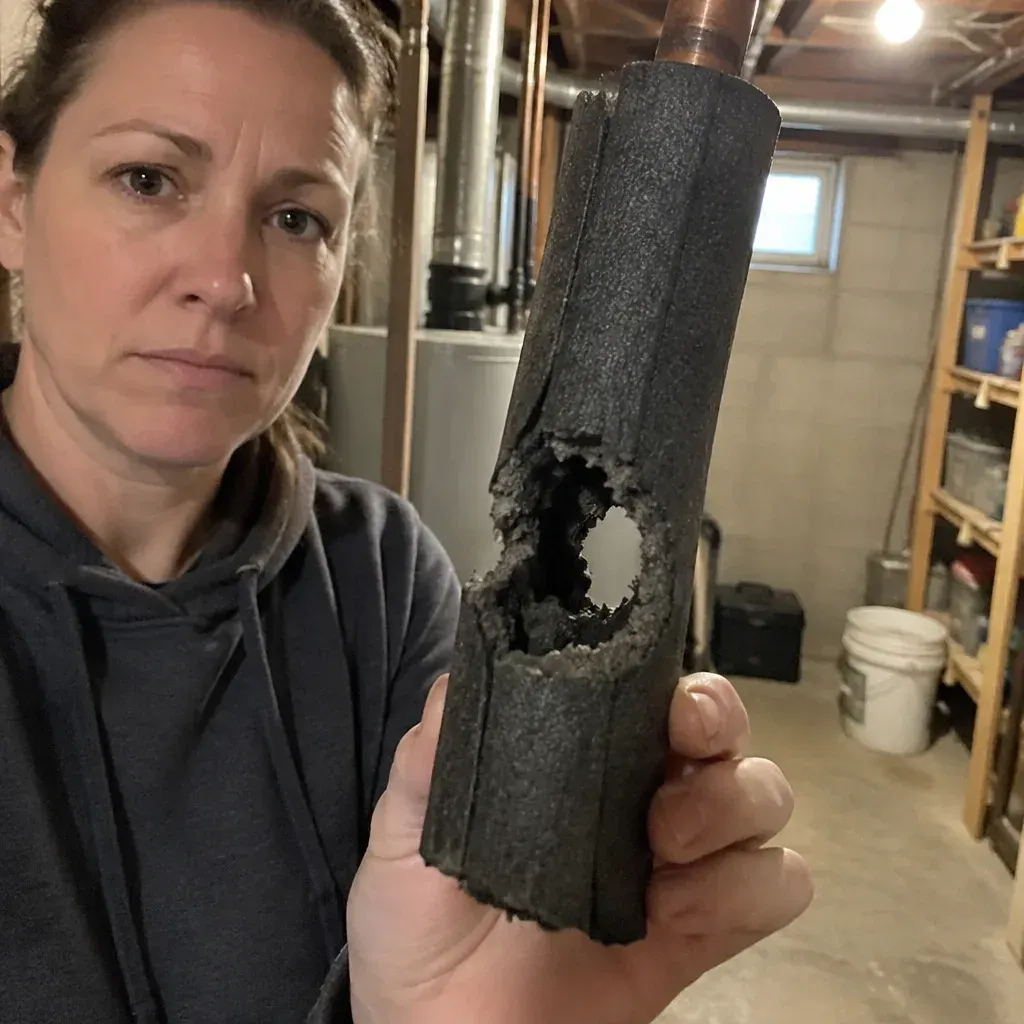
Kenosha bait plans connect inspection findings with careful placement and access limits.
In Kenosha, rodent signs can turn up in a kitchen, a basement, or a small shop’s storage area, and the location helps guide what to inspect next. Around Monument Square or near the lakefront, the property itself—not its address—determines whether bait makes sense. A professional looks for evidence of rats or mice and considers how they may be moving through the building. The useful next step is to ask the pros we connect you with whether baiting fits what they find and what other methods may be involved.
A baiting visit in Kenosha should account for the spaces the technician can reach and the way the property is used. In a house near Festival Park, stored food and household access may shape suitable placement; in a small business near the Kenosha Public Museum, work areas and storage can change the inspection. The findings, access, and agreed scope affect the time and cost. Ask how the pro will choose bait, address any access points, and explain precautions before placement.
Kenosha Public Museum is one local reference for locating a request; inspection findings guide Rodent Baiting options for properties in Kenosha and Bristol, Sturtevant and Union Grove.
For household planning, follow residential rodent control; people overseeing rental units or workplaces can find relevant guidance through commercial rodent control.
Droppings near stored food or along a wall can help identify where rats or mice have been active. Their size and placement are clues for the inspection, not a stand-alone reason to use bait. In Kenosha, tell the pro which rooms you have checked and whether the evidence looks fresh. That can help focus attention on nearby food sources and routes before deciding whether rodent baiting belongs in the plan.
Gnawing on a container, cabinet edge, or stored item can show where rodents are reaching food or moving through a room. In a Kenosha home or small commercial property, note the location and what was damaged so the technician can compare it with other signs. A single mark does not establish which control method fits; the surrounding evidence and conditions help determine whether rat bait stations or mouse bait are appropriate.
A torn food sack or opened carton can show where rats or mice reach stored food. That location may help a professional judge whether bait could be placed along an active route, since placement away from rodent activity can limit control. In Kenosha, the property itself guides that decision; nearby references such as Simmons Island Park, Kenosha Public Museum, and Dinosaur Discovery Museum do not indicate what is happening indoors. Keep food sealed while the inspection establishes what the signs mean.
The pro checks reported signs and accessible areas, then considers likely rodent routes and openings before deciding whether bait fits the evidence.
Household routines, stored food, pets, and children help shape which label-directed placement areas are practical and safe.
If inspection supports baiting, the technician selects rat bait stations or mouse bait suited to the site and follows product directions.
The provider explains the agreed work, placement precautions, and whether the service plan includes any later assessment.
Kenosha includes homes and small commercial properties in settings that range from the area around North Beach to places near Shiloh Park. Those references do not predict rodent activity or make one bait plan fit every building. Storage, access, and the signs found inside matter more. A technician’s inspection helps connect the evidence to a suitable placement and explains where bait alone may leave an access route unaddressed.
Wisconsin requires commercial applicators for hire to hold the applicable certification and licenses. The requirements matter when a service includes pesticide application, including rodent bait. Ask the pros we connect you with what applies to the work they recommend in Kenosha and how they will follow the product directions. A property inspection still determines whether bait is suitable and where it can be placed safely.
The licensed pros we connect you with should explain the proposed plan and precautions before work begins. Ask how the proposed placement accounts for children, pets, and access at your Kenosha property, and what you should keep away from it. The plan should also make clear whether bait is being considered alongside other control measures, based on the inspection findings.
Treat Rodent Baiting amounts in Kenosha as a guide; have the pros we connect you with state the visit charge and describe the work in writing.
| Site Evidence | Control Methods | Cost Elements |
|---|---|---|
| At One Point | Kenosha home assessment: discuss evidence and entry concerns; no control, gap work, or follow-up | an estimated $175–$350 |
| Along One Route | Inspect activity, set agreed traps or bait, seal access gaps; no return monitoring | an estimated $200–$455 |
| Across Several Rooms | Agreed device control with planned activity checks; identified openings remain unsealed | an estimated $175–$350 |
| Behind Fixtures | Selected trapping or baiting, agreed gap closure, and activity checks when specified | an estimated $420–$1,400 |
The estimate can change when an inspection covers several parts of a property or when the plan adds return checks and repairs. Longer-wearing materials for closing access gaps may add work as well. The full pricing guide explains how these choices shape the overall scope.
Rodent baiting places bait where rats or mice can encounter it, with the product label guiding its use and precautions. A rat bait station can contain bait, but it still needs placement that limits access by children and pets. The pros we connect you with can assess whether bait suits the signs at your property and explain how it may fit with other control steps. Ask a local independent professional which methods may be involved.
Droppings, gnawing, nesting material, and scratching sounds can help direct the inspection, but each clue needs context. The technician also considers likely routes and possible access points before deciding whether bait is suitable. In Kenosha, point out where you noticed each sign; that information can help the pro focus on relevant areas of your property.
Placement depends on the activity found, site access, and the product’s label. A professional may use rat bait stations or mouse bait where the inspection supports it, while considering children, pets, and how the space is used. Before agreeing, ask where bait would go, what precautions apply, and how the product directions shape the plan.
Bait can address feeding activity, but it does not close openings rats or mice may use to get inside. If the inspection finds access points, ask whether exclusion or other prevention steps belong in the service plan. What is included depends on the provider’s scope and the conditions at your Kenosha property.
The cost depends on the areas that need inspection, the placement conditions, and whether the agreed work includes measures beyond baiting. Ask whether the estimate separates the initial service from any follow-up visits or added measures. Ask for a written explanation of the recommended work and what the estimate includes before deciding.
There is no single timing that fits every baiting service. The product directions, whether rodents encounter the bait, and the provider’s service plan all affect what happens after placement. Ask when the pro expects to discuss activity and whether the plan includes any later assessment. Fresh droppings or new gnaw marks can help indicate whether activity continues.
Use $80–$175 as a planning estimate for rodent control. The inspection’s findings and the work needed to address them shape the final amount, which the pros we connect you with confirm.
Compare movement between rooms and storage areas to understand which parts of a building connect.
In Kenosha, one mouse cannot reveal how many may be nearby. Unsealed food and crumbs can make a room more inviting to mice.
Read article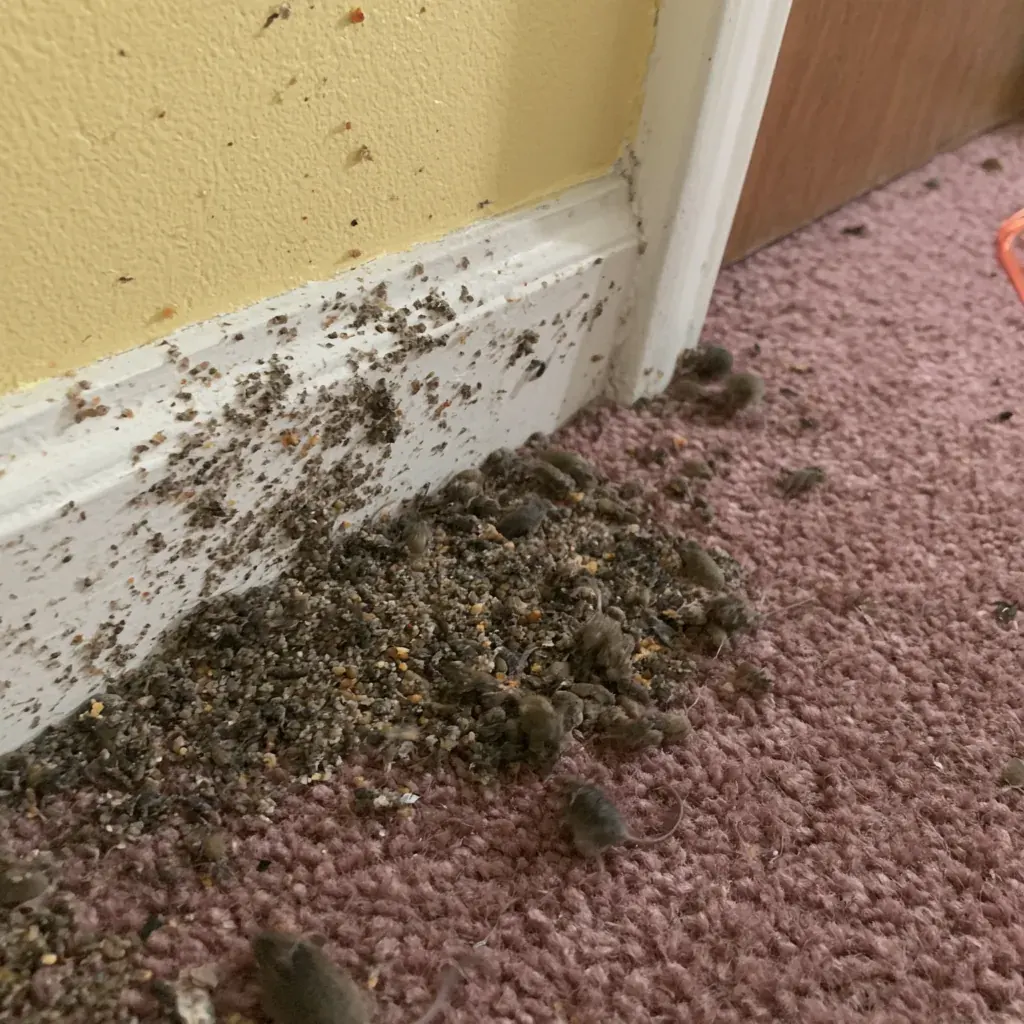
A quick glimpse may not settle rat or mouse. Compare the animal’s proportions with other visible clues, then note what you saw for an assessment.
Read article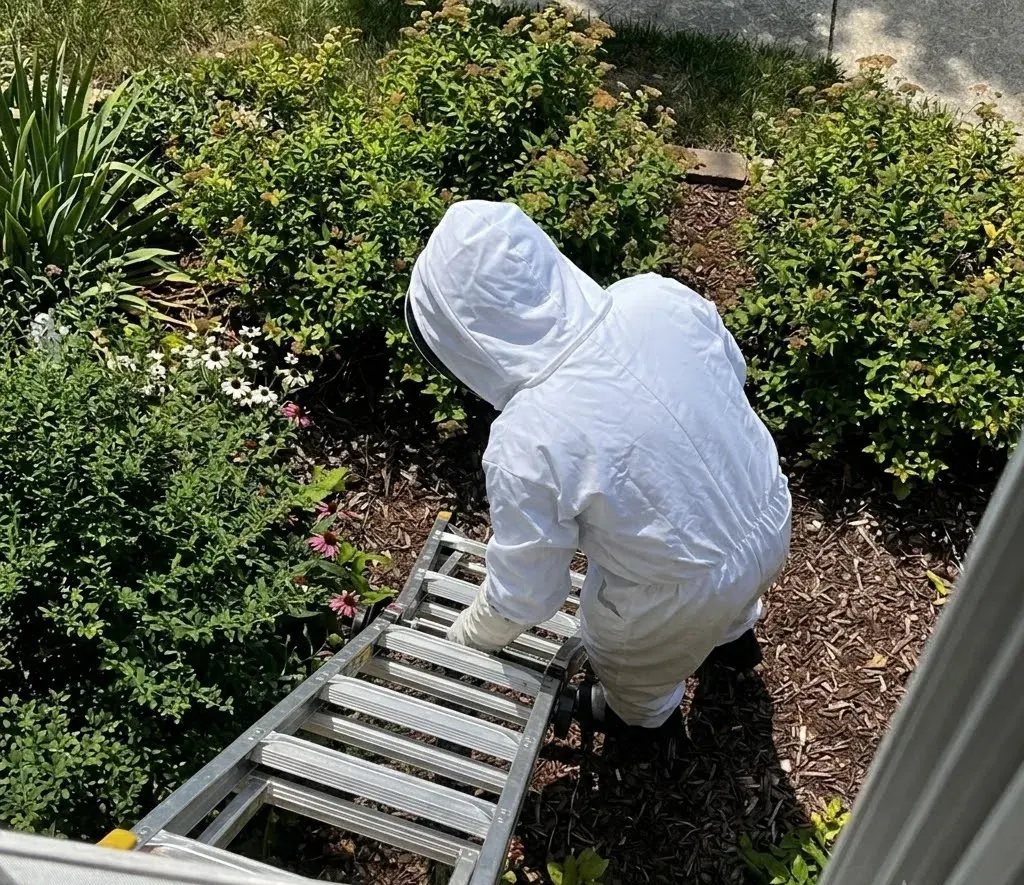
Learn how to check a Kenosha yard hole for fresh changes, weigh nearby signs against other causes, and decide when a closer assessment may help.
Read articleWhen asking about rodent control near Kenosha Public Museum or another part of town, give the pros we connect you with the property location and a short description of the activity. Ask if they serve that location, when an inspection could be arranged, and what the visit charge covers. You can also request the planned tasks in writing and ask whether the provider offers any warranty terms. Those details help you understand the proposed service before deciding how to proceed.
Call (262) 665-0359