Warehouse Rodent Control
Kenosha Warehouses
Coordinate healthcare rodent control around patient care, restricted rooms, service routines, and clear facility records.
Healthcare facilities can report rodent signs by building and internal zone, share care schedules and entry restrictions, and review food, waste, and service routines. Keep dated records of findings and coordinate follow-up through a facility contact.
Healthcare rodent control starts with a clear account of where activity was noticed, then considers who uses that area and when it can be accessed. A report from a patient room raises different coordination needs than one from a loading area or staff lounge. In Kenosha, you can help the assessment stay focused by recording the facility zone, what was observed, and any access limits. That information gives the pros we connect you with a useful starting point without disrupting care or assuming the same response fits every room.
Make each report specific enough that someone unfamiliar with the event can locate it. Include the building, floor or department, observation time, and whether the report came from a staff member, visitor, or service provider. Describe what was noticed without guessing at its cause. For a Kenosha facility, a local reference such as the Kenosha Public Museum can help distinguish the site in internal records when multiple locations are involved. Keep patient details out of general pest records; use the facility's own privacy process when a report involves care information.
A zone-based record helps staff connect a sign to the conditions around it. Mark whether the report came from a patient-care space, staff-only room, food area, receiving point, or waste route, and note nearby doors or utility openings if they are relevant. Kenosha facilities can use a floor plan or site map that staff already recognize, with landmarks such as Dinosaur Discovery Museum as a broad location reference when useful. The map should make internal wayfinding clearer, while the observation record preserves the time, description, and person responsible for follow-up.
In patient-care spaces, arrange access with the team responsible for the room and the care taking place there. Some rooms may be available only between appointments, after a patient is moved, or with an escort; others may require privacy measures or advance approval. State those conditions when documenting a concern so the visit can fit the clinical schedule. For healthcare facilities in Kenosha, the assessment should account for the actual use of the affected space, rather than treating every patient area as equally available or interruptible.
Staff areas have different access patterns from care rooms. A break room may be busy during shift handoffs, while an office or locker space may be empty at another time and secured outside work hours. Ask staff to report the location and time they noticed a sign, then identify who can open the room if follow-up is needed. In Kenosha, a facility can keep those reports separate from patient-area records while still using a shared process. Clear routing helps the right department respond without sending the concern through several teams.
| Site zone | Signs reported | Access limits |
|---|---|---|
| Care units | Room or corridor, sign type, report time | Confirm an access window with care staff |
| Staff areas | Breakroom or locker area, shift, report source | Check staff availability before arranging entry |
| Patient-care zones | Door location, delivery periods, observed signs | Coordinate dock access with receiving staff |
| Food service | Prep or storage area, exposed food | Plan around food handling and cleanup |
| Waste rooms | Bin location, residue, collection routine | Contact the department responsible for disposal |
| Restricted areas | Entry limits, permission, escort contact | Secure approval before setting an appointment |
| Site identity | Facility name and street address in Kenosha | Optional wayfinding: North Beach, Monument Square, Festival Park |
| Follow-up record | New signs, device observations, date noted | Set a review interval with the provider |
Service spaces often link activities that happen in different parts of a facility. A concern near receiving, storage, utilities, or waste handling may warrant noting what was moving through the area and whether access was blocked at the time. Include the nearest department or service route, not just a general label such as back room. In Kenosha, that context helps the assessment team understand how the space functions during the day and which staff contact can explain its normal use. It also helps distinguish a one-time obstruction from a regular operating condition.
Where meals or clinical supplies are handled, record the storage and cleanup conditions relevant to the report. Food left accessible, crumbs around preparation surfaces, or packaging stored near a wall can affect how a room is managed, even though housekeeping alone does not close a route into the building. Keep supplies stored as facility procedures require and include the responsible department in the record. For Kenosha healthcare sites, this makes it easier to coordinate pest-related work with food service or supply staff while leaving their separate handling rules intact.
Service access can change with delivery schedules, equipment movement, and waste collection. Note when a corridor or utility room is clear, when carts occupy it, and whether a door must remain open for routine work. These details help staff choose a practical assessment window and avoid a visit when the relevant surfaces or openings cannot be reached. A Kenosha facility may have different patterns across its departments, so use the schedule of the affected zone rather than assuming one building-wide work period will suit receiving, storage, and waste areas alike.
Set an access window around the work that cannot pause, such as patient care, meal preparation, or shift transitions where those apply. Some areas may be reviewed during ordinary operating hours if a staff contact is available; restricted rooms may need a quieter interval or an escort. Share the facility's preferred times and any periods when work would interfere with service. In Kenosha, clear scheduling details let the assessment fit the site's operations and help staff prepare the relevant department, rather than leaving access decisions until someone arrives.
Before arranging access, identify who can approve entry, who can escort a visitor, and who can answer questions about the affected room. Those responsibilities may belong to different people, particularly where patient areas and service corridors have separate controls. Include a backup contact if the primary person is not available during the proposed window. For a Kenosha healthcare facility, this small piece of coordination can prevent a scheduled visit from stopping at a locked door and helps keep access decisions with the staff authorized to make them.
When records cover more than one facility building, make each location easy to distinguish and keep the same basic report fields across them. Compare the type and location of observations, whether access was arranged, and whether an earlier concern has a documented follow-up. This supports consistent coordination without assuming one site has greater rodent activity than another. Kenosha teams can use familiar reference points, including North Beach or Monument Square, only to clarify which part of the city a facility serves; the facility address and department should remain the operational identifiers.
A useful record carries the details needed to continue work after the original reporter has left. Keep the observation date and time, building and zone, reported sign, access restrictions, responsible contact, and any agreed follow-up together. Add whether the concern was reassessed and what the facility team still needs resolved. For Kenosha locations, consistent entries can make handoffs between facilities or departments clearer while preserving the differences in their schedules and access rules. Store records through the facility's established process and limit them to information needed for the work.
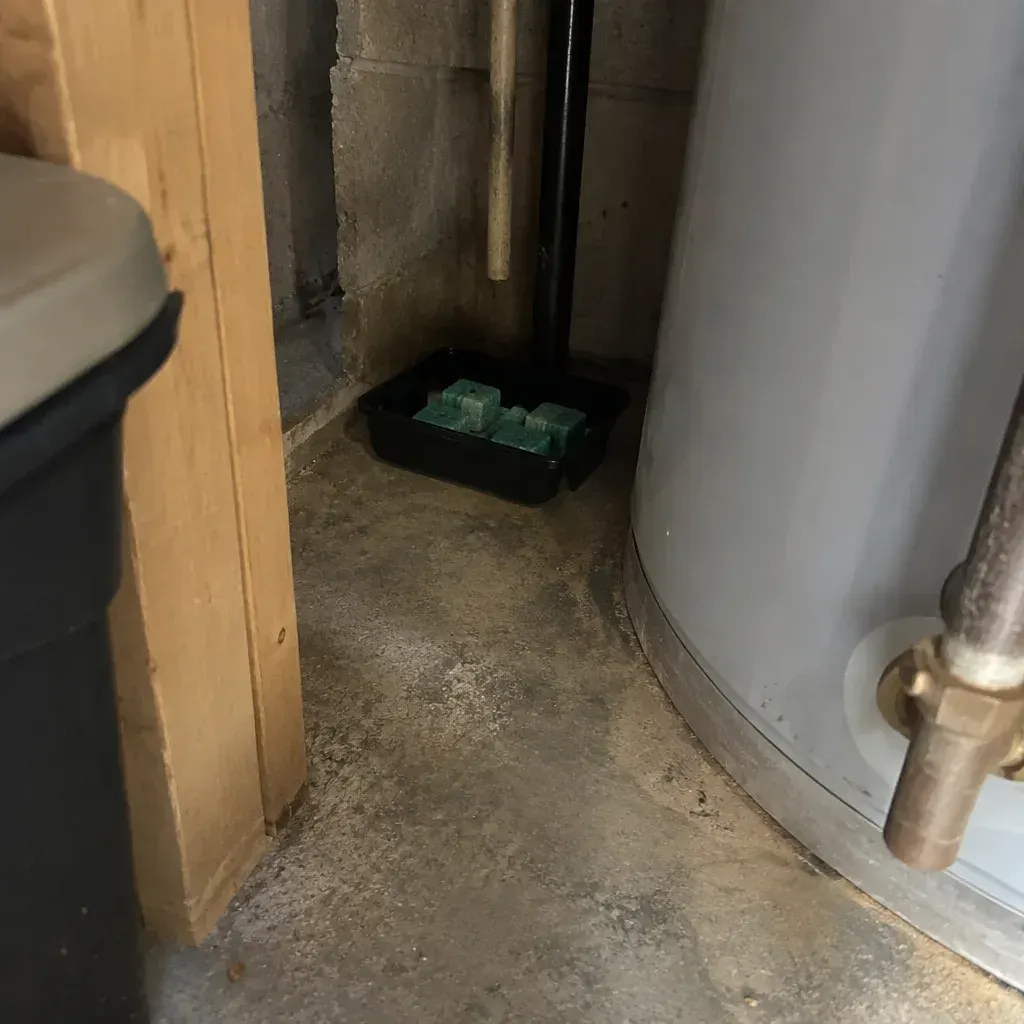
After the affected areas and access conditions are understood, the response can be matched to the findings. Depending on the site and provider's approach, control may include traps or baiting, attention to openings that allow entry, and later checks to see whether activity continues. In a healthcare setting, device placement and work timing need to fit the room's use and the facility's procedures. The pros we connect you with can explain the proposed steps for the documented zone, so staff know what is planned and which contact will receive updates.
An inspection can clarify whether reported rodent activity is limited to one area or affects connected operations. Include relevant information about food handling, receiving, storage, or waste routes when those conditions relate to the concern. For a Kenosha facility, identify the building and department clearly, then note who should receive the assessment summary and any follow-up record. That preparation helps the visit address the areas in question and gives facility staff a defined next step for coordinating work around patient, staff, and service needs.
The cost of a rodent inspection at a healthcare facility can change with the number of buildings and the areas staff can make available. A review limited to one service corridor has different access needs from one involving patient, storage, and food service spaces. In Kenosha, use the facility’s own room names when describing the work; Monument Square, Festival Park, and Johnson Wax Headquarters may orient visitors, but they cannot identify a clinical zone. Share operating constraints and a facility contact before arranging an assessment.
For homes throughout Kenosha, use the places below to locate where you can inquire about rodent assessment and possible control for your property, includingKenosha, Pleasant Prairie and Bristol. Have the provider spell out which appointments carry separate charges and whether your address falls beyond its regular service area.
For offices, pricing often follows the service visits requested and the square footage included. $80–$175 offers a comparison point. Shared kitchens, storage rooms, building access, and findings around doors or pipe openings can affect how much inspection, device attention, and exclusion work the proposal covers.For a commercial property, continued monitoring can add return visits and device checks, increasing the work included in the quote. When you call, describe the signs you have found, ask whether inspection has a separate charge, and request the planned treatment and follow-up work in writing.Review the full set of rodent-control bands through pricing guide; commercial overview shows how scheduled commercial service is arranged.
Kenosha Warehouses
Apartment Rodent Control
Office Rodent Control
Give the facility contact the building and internal zone, when the concern was noticed, and whether a staff member saw it directly or received a report. Describe the sign in plain terms and say whether the space supports care, staff work, food service, deliveries, or waste handling. In Kenosha, internal room names help the pros we connect you with direct follow-up questions without relying on public landmarks.
Start with the areas that need restricted entry, escort, or clinical approval, then share when those spaces can be accessed. Include patient-care periods and the operating hours for service corridors, kitchens, or loading areas. A Kenosha facility contact can coordinate with the staff responsible for each space so an assessment can fit the site’s routines and avoid interrupting work unnecessarily.
Keep a dated record for each building and zone, with the observer, reported sign, and what was assessed. Add any agreed actions, access limits, and the person responsible for coordinating a revisit. In Kenosha, use the same internal labels over time so staff can tell whether a later report concerns the original area. Record follow-up observations alongside earlier notes.
Review food storage, preparation, deliveries, and waste movement in the areas tied to the report. Keep supplies secured under facility procedures and address spills or scraps through normal sanitation routines. Note whether meal service or waste pickup affects access, since those schedules can change what staff observe and when an area can be reviewed.
Before arranging a Kenosha assessment, gather zone reports, entry limits, operating schedules, and the facility contacts who can coordinate access.
Call (262) 665-0359