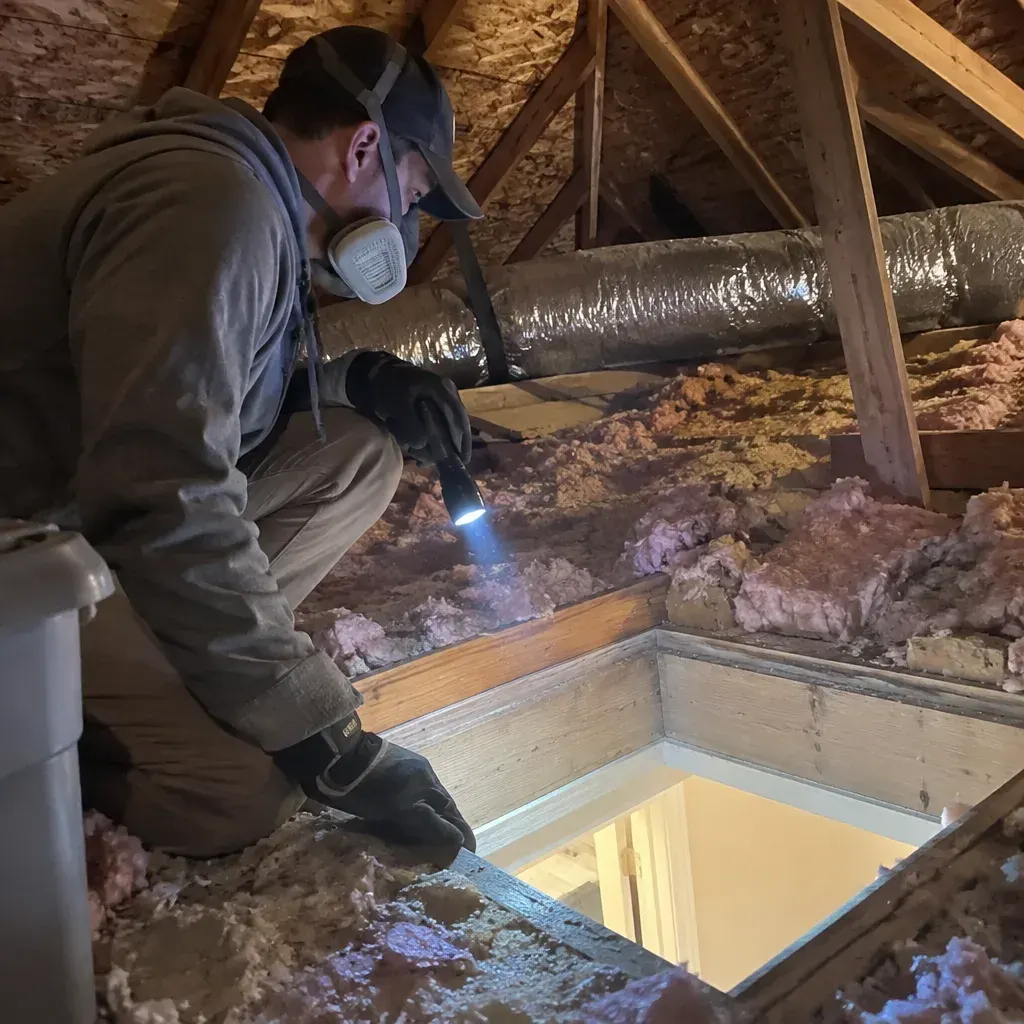
How Many Mice?
In Kenosha, one mouse cannot reveal how many may be nearby. Unsealed food and crumbs can make a room more inviting to mice.
Read article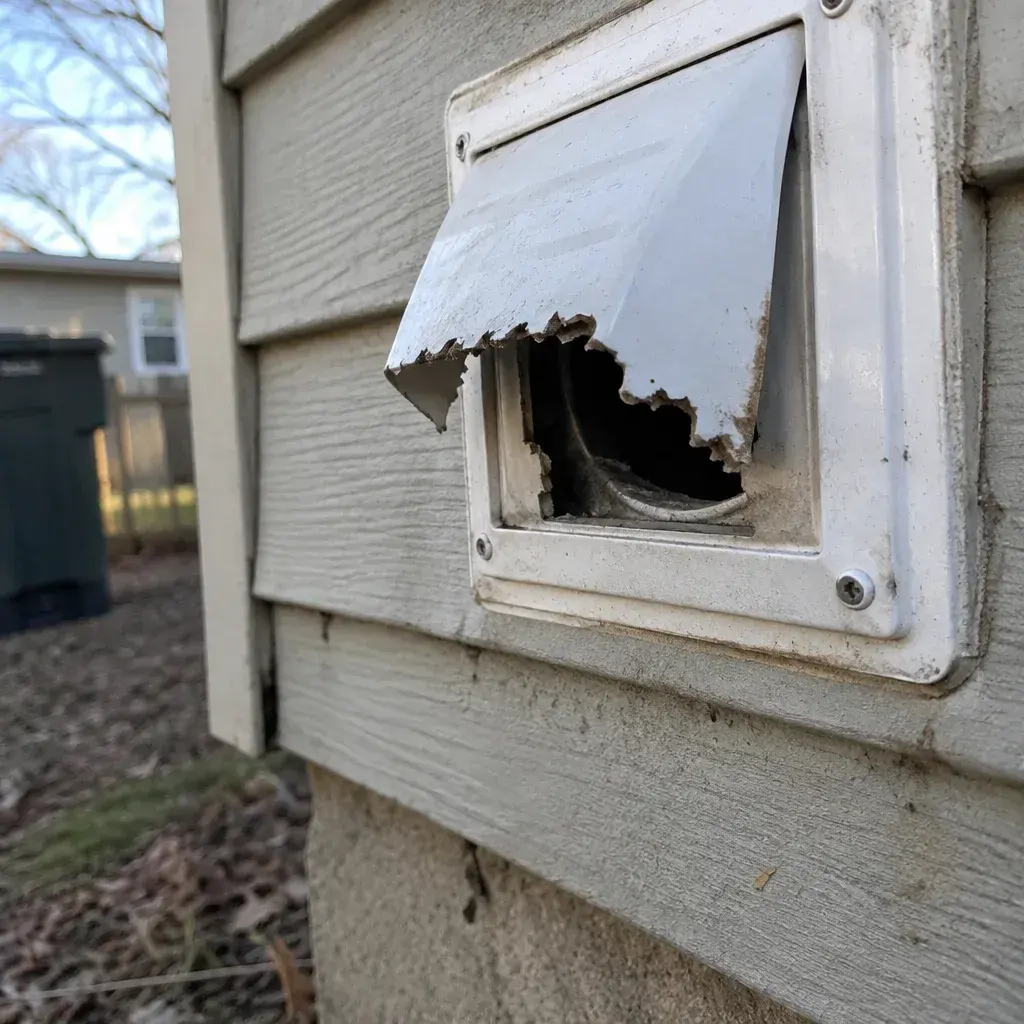
Kenosha rodent proofing closes suitable access gaps in homes near Lake Michigan.
Rodents can use small openings around utility penetrations, making those edges worth including in a perimeter check. A small opening still matters if it gives a mouse or rat a path inside. Around Simmons Island Park, the lakefront setting is a useful reminder to check the whole perimeter rather than assume one exposed side tells the story. Sealing access points can reduce routes into a home, while the right locations depend on what is present at that property.
For a Kenosha home or small shop, the pros we connect you with can map suspected openings, assess the surrounding material, then explain which gaps are suitable for rodent exclusion. The estimate can change with reach, surface condition, and how much fitting each closure requires. A clear scope helps you see what the work covers before it begins. Properties with tight side access or stored items near an exterior wall may take more effort to reach and finish.
Kenosha Public Museum is one local reference for locating a request; inspection findings guide Rodent Exclusion options for properties in Kenosha and Sturtevant, Union Grove and Racine.
Choose the page by who is responsible for the building: residential rodent control serves homeowners, and commercial rodent control addresses landlords and business operators.
A narrow opening at a foundation edge can remain easy to miss when mulch, stored items, or snow sit against the wall. If droppings or gnaw marks appear nearby, treat them as clues to check the adjoining exterior rather than proof of a specific route. The Kenosha Public Museum’s lakefront setting offers a familiar local reference, but conditions at your own building determine which gaps matter. Keep the suspected spot accessible so a professional can assess it for closure.
Look for a visible line of daylight or a draft where exterior materials meet, especially near a lower wall or a building corner. A gap may be narrow yet still provide access, and caulk or a previous patch can hide its edges without closing the full opening. In Kenosha, the Civil War Museum is another recognizable city landmark; a nearby home still needs its own assessment. Note where the opening sits and whether its edges appear cracked or loose.
If new droppings or gnaw marks appear after entry point sealing, the route may not have been fully closed or another opening may remain. The location of those signs can help a professional decide whether a completed closure needs attention or a separate area should be assessed. At a Kenosha property, keep a simple record of where and when you notice changes. That gives follow-up work a specific starting point without assuming the original seal has failed.
You describe the activity and point out suspected access areas; the professional uses those details to define the possible exclusion scope.
The professional assesses each candidate opening, its surrounding surface, and access for fitting a closure that can hold securely.
Before closing an opening, the surrounding surface is checked for a firm edge where the material can meet.
You review the completed closures and discuss what signs to report and whether the provider offers a later check.
A closure only helps at the opening it covers, so an overlooked gap can keep a route available while other spots are sealed. In Kenosha, buildings vary in layout and exterior condition; proximity to Memorial Park or another local landmark does not tell you what your walls need. Rodent proofing works best when each closure fits its surface and you also reduce accessible food and clutter near the building. Those steps address access and conditions that can support repeat visits.
Kenosha homes sit in varied settings, from areas near Lake Michigan to streets farther inland, so one property’s access conditions should not be assumed for another. An opening’s size and location help determine which closure will fit its surrounding surface. For your own home, a useful exclusion scope ties each proposed closure to an observed opening and its surrounding surface. That keeps the work grounded in the property rather than a neighborhood-wide assumption.
Before work starts, ask the professional to describe which surfaces will receive entry point sealing and how the finished edges will meet the existing material. At a Kenosha house or small commercial property, access behind stored goods or along a narrow side yard can affect the work sequence. A clear view of the opening helps the professional match the closure to the surrounding surface. If a gap cannot be closed as proposed, ask what alternative step the provider recommends.
In Kenosha, Rodent Exclusion estimates are preliminary; ask the pros we connect you with about the visit fee and request a written outline of covered work.
| Signs Present | Planned Treatment | Estimate Inputs |
|---|---|---|
| Sparse Findings | Monument Square area: assess signs and possible access; trapping, baiting, sealing, and later checks excluded | an estimated $175–$550 |
| Steady Findings | Agreed traps or bait plus opening seals after inspection; device checks not included | an estimated $200–$715 |
| Concentrated Findings | Inspect, place agreed traps or bait, then check activity; entry sealing excluded | an estimated $175–$550 |
| Concealed Findings | Findings guide agreed control and entry sealing, with follow-up if the plan includes it | an estimated $420–$2,200 |
When comparing proposals, check what the initial service covers and which later checks, repairs, or prevention steps are additional. Material choices can change the repair portion. The full pricing guide outlines cost factors to consider as you compare the listed work.
Rodent exclusion reduces access by closing suitable gaps around utility lines or foundations; the pros we connect you with can match a closure to the opening and nearby surface. Sealing blocks a route, while sealed food containers and crumb removal reduce an accessible food source that can draw rodents back. In Kenosha, this property-specific approach applies to a home near Lake Michigan or a small business near Prairie Springs Park; those places do not establish activity. Ask a local independent professional which suspected openings suit exclusion.
The estimate reflects the access needed to reach each location, the condition of the surrounding surface, and the fitting work required for a secure closure. A Kenosha property with a clear exterior path may present different work conditions from one with stored items beside the wall. Ask the professional to walk through the proposed scope and identify any locations that may need additional preparation before sealing.
Possible access points include gaps at the foundation edge, openings around exterior building components, and spaces where different materials meet. Rats and mice can use small openings, though the opening and its condition need to be assessed at your property. The professional can explain which gaps are suitable for closure and whether another nearby route should be considered as part of the same scope.
Before sealing, move boxes, shelving, or other stored belongings far enough from the suspected opening to clear the work area. In Kenosha homes, items placed against a wall or around a pipe can limit access to the gap. Ask the pros we connect you with what needs to be moved and when belongings can go back. Keep the area clear until they confirm the closure is secure.
No. Sealing the assessed openings reduces access through those locations, but an unrecognized route or a closure that later loosens can leave another way inside. Rodent control may also include trapping or baiting for activity already present. Keep the assessment notes with the estimate so you can compare later signs with the locations that were sealed.
Ask whether a later visit will review the sealed locations, check any control devices, or both. A review can also compare the completed work with the openings listed in the original assessment. The pros we connect you with can tell you what their follow-up includes and how to request another review if signs continue.
For rodent exclusion, $175–$550 for this work; access work and monitoring needs can affect the scope. The pros we connect you with confirm what the inspection calls for and the figure.
Track where activity appears and when it changes; those details help focus a property inspection.
In Kenosha, one mouse cannot reveal how many may be nearby. Unsealed food and crumbs can make a room more inviting to mice.
Read article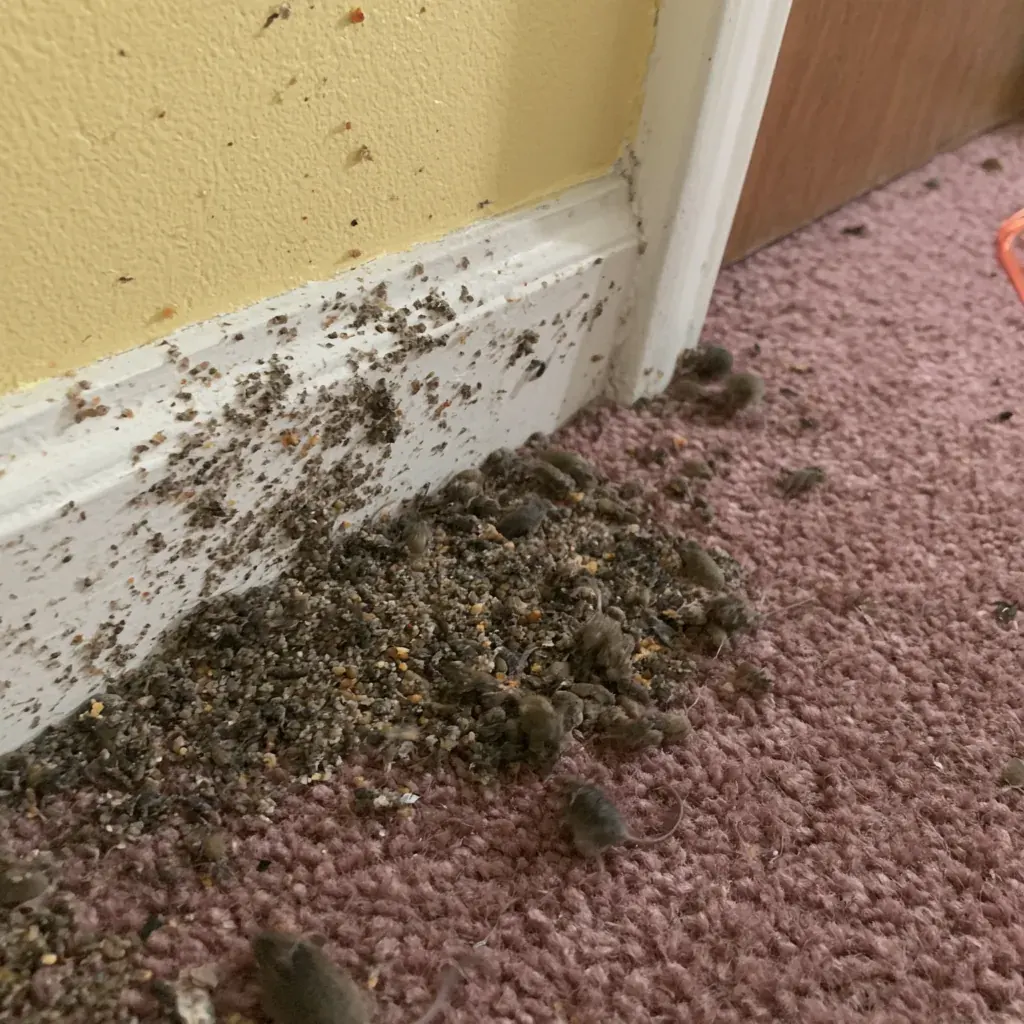
A quick glimpse may not settle rat or mouse. Compare the animal’s proportions with other visible clues, then note what you saw for an assessment.
Read article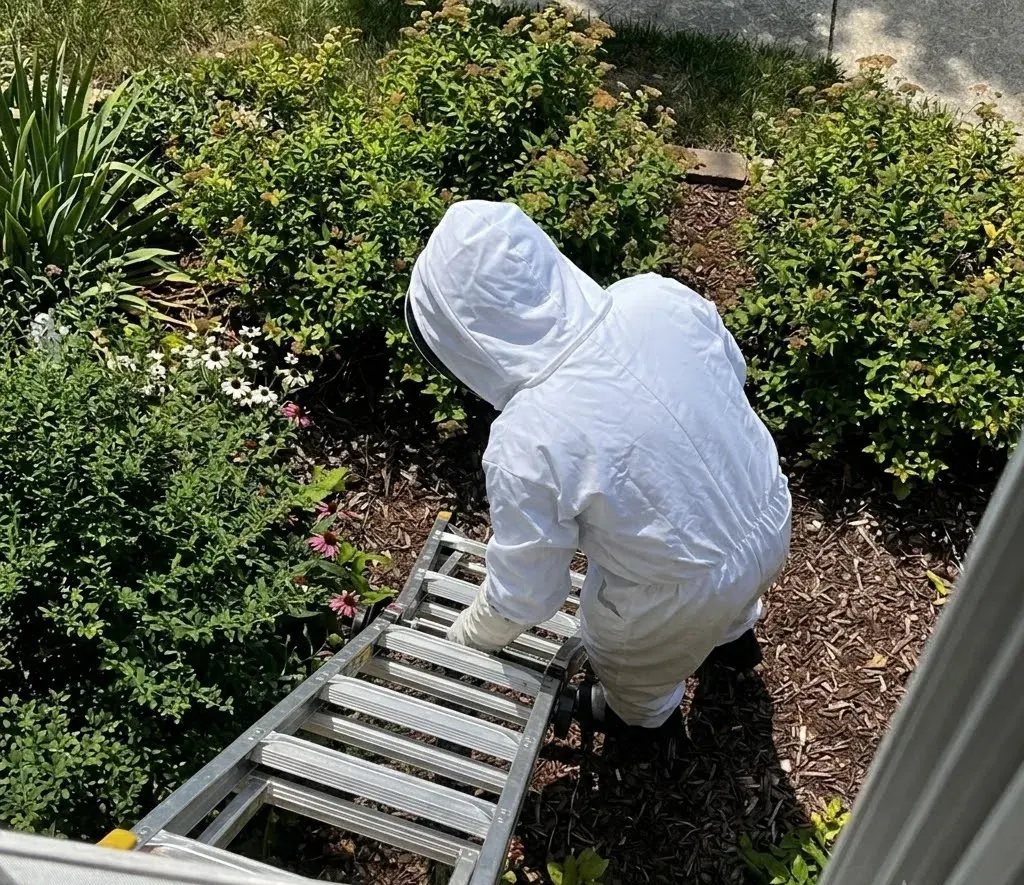
Learn how to check a Kenosha yard hole for fresh changes, weigh nearby signs against other causes, and decide when a closer assessment may help.
Read articleWhen asking about rodent control near Kenosha Public Museum or another part of town, give the pros we connect you with the property location and a short description of the activity. Ask if they serve that location, when an inspection could be arranged, and what the visit charge covers. You can also request the planned tasks in writing and ask whether the provider offers any warranty terms. Those details help you understand the proposed service before deciding how to proceed.
Call (262) 665-0359